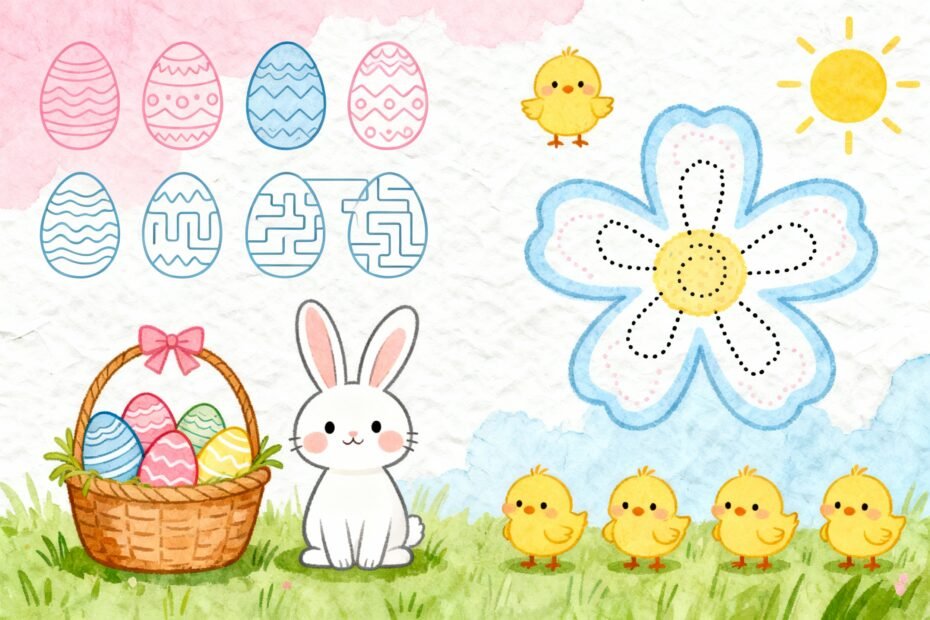
Easter crafts and candy taste sweet, but you know what lasts longer than a chocolate bunny? A custom activity book your kids can flip through again and again. It’s screen-free, sanity-saving, and way easier to make than those Pinterest projects you never finish.
Ready to build your own Easter activity book that actually gets used? Let’s hop to it.
Why Make Your Own Easter Activity Book?
You control the content. Your kid loves bunnies but fears chicks?
Easy fix. You can mix coloring pages, puzzles, and silly prompts tailored to their age and interests.
You also save money. Print a few pages at home, or get it bound at a copy shop for the price of a fancy latte.
Plus, IMO, homemade feels more special than store-bought.
And here’s the best part: you can reuse it. Swap pages next year, add fresh challenges, or make a sequel. Boom—holiday tradition unlocked.
What to Put Inside: The Fun Mix
A great activity book balances easy wins with juicy challenges.
Think variety: coloring, logic, movement, and imagination. FYI, mix “quiet” pages with “get-up-and-move” prompts so no one melts down from boredom.
- Coloring pages: Bunnies, baskets, flowers, spring scenes, decorated eggs.
- Puzzles: Mazes, dot-to-dots, word searches, crosswords, spot-the-difference.
- Logic + math: Simple counting, patterns, number bonds, “Which doesn’t belong?”
- Creative prompts: Finish-the-drawing, comic panels, design an egg contest.
- Scavenger hunts: Indoor clues, yard missions, color hunts (“Find three yellow things”).
- Games: Tic-tac-toe, roll-and-draw bunny, bingo cards for the egg hunt.
- Mindful moments: Breathing bunny (inhale 4, exhale 4), gratitude eggs (write 3 things you love).
Age-Based Ideas
- Toddlers (2–4): Big shapes to color, simple matching, sticker pages, two-step scavenger hunts.
- Early readers (5–7): Easy word searches, basic mazes, pattern sequences, “draw the missing half.”
- Big kids (8–10): Riddles, cipher codes, more complex mazes, comic prompts, design challenges.
Design It Without Losing Your Mind
You don’t need fancy software. Keep it clean and fun.
White space is your friend. Your printer will thank you.
- Pick a size: Standard letter (8.5×11) works best for kids and home printers.
- Choose a structure: Aim for 20–30 pages. Start easy, then build difficulty.
End with a big activity.
- Keep a simple layout: One activity per page. Use bold headings and clear instructions.
- Add Easter visuals: Page borders, small icons, and egg dividers keep it festive without clutter.
- Test print: Print a few pages first. Check font size and contrast.
Fix anything faint or cramped.
Tools You Can Use
- Google Docs/Slides: Easy layout, drop in shapes and images, export to PDF.
- Canva: Tons of templates, drag-and-drop graphics, kid-friendly fonts.
- PowerPoint/Keynote: Surprisingly great for page design and aligning elements.
- Free puzzle generators: Make word searches and crosswords in minutes (search “free puzzle generator”).
Page Ideas You Can Steal (Please Do)
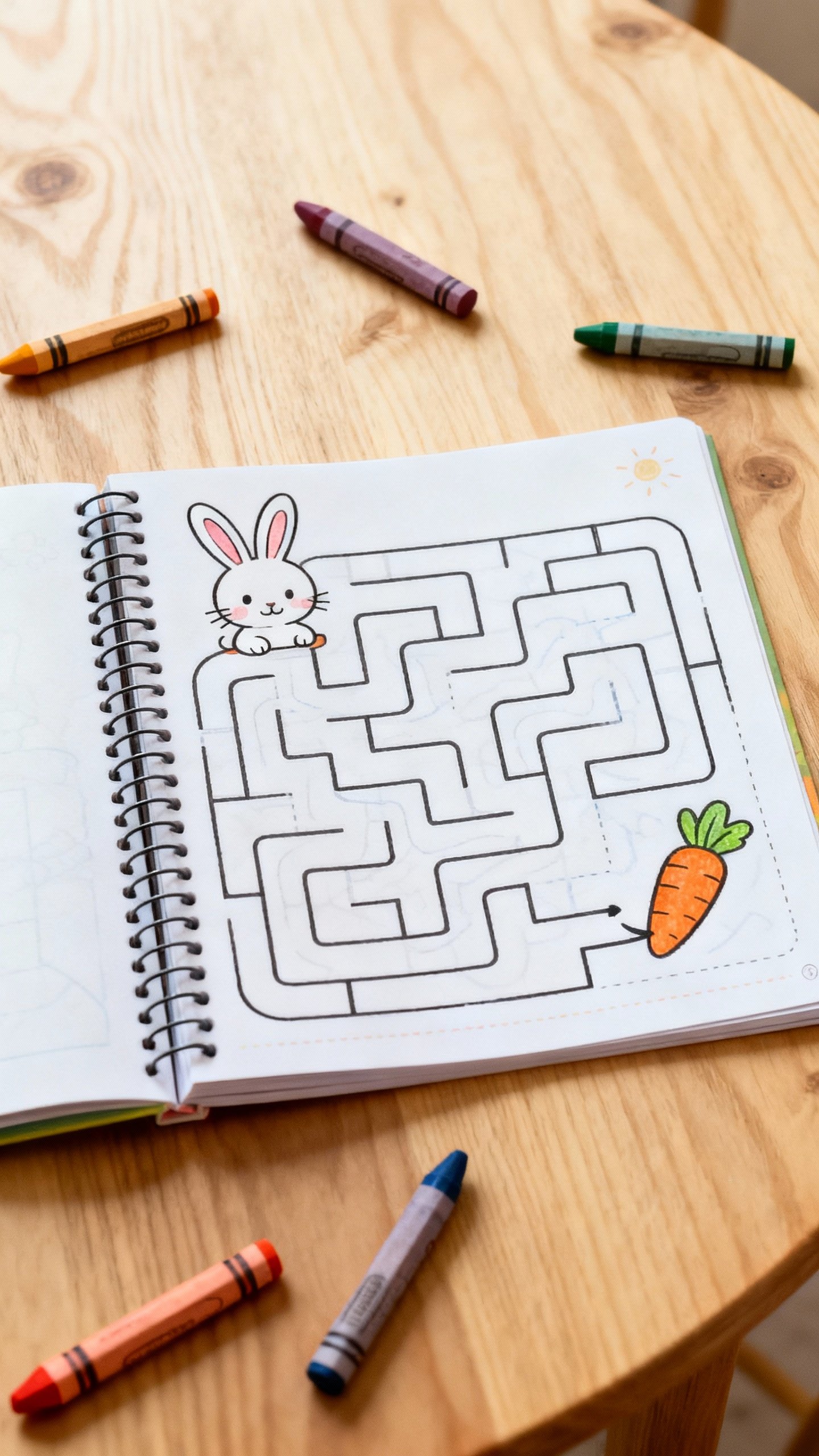
- Bunny Maze: “Help the bunny find the basket.” Make 2–3 difficulty levels.
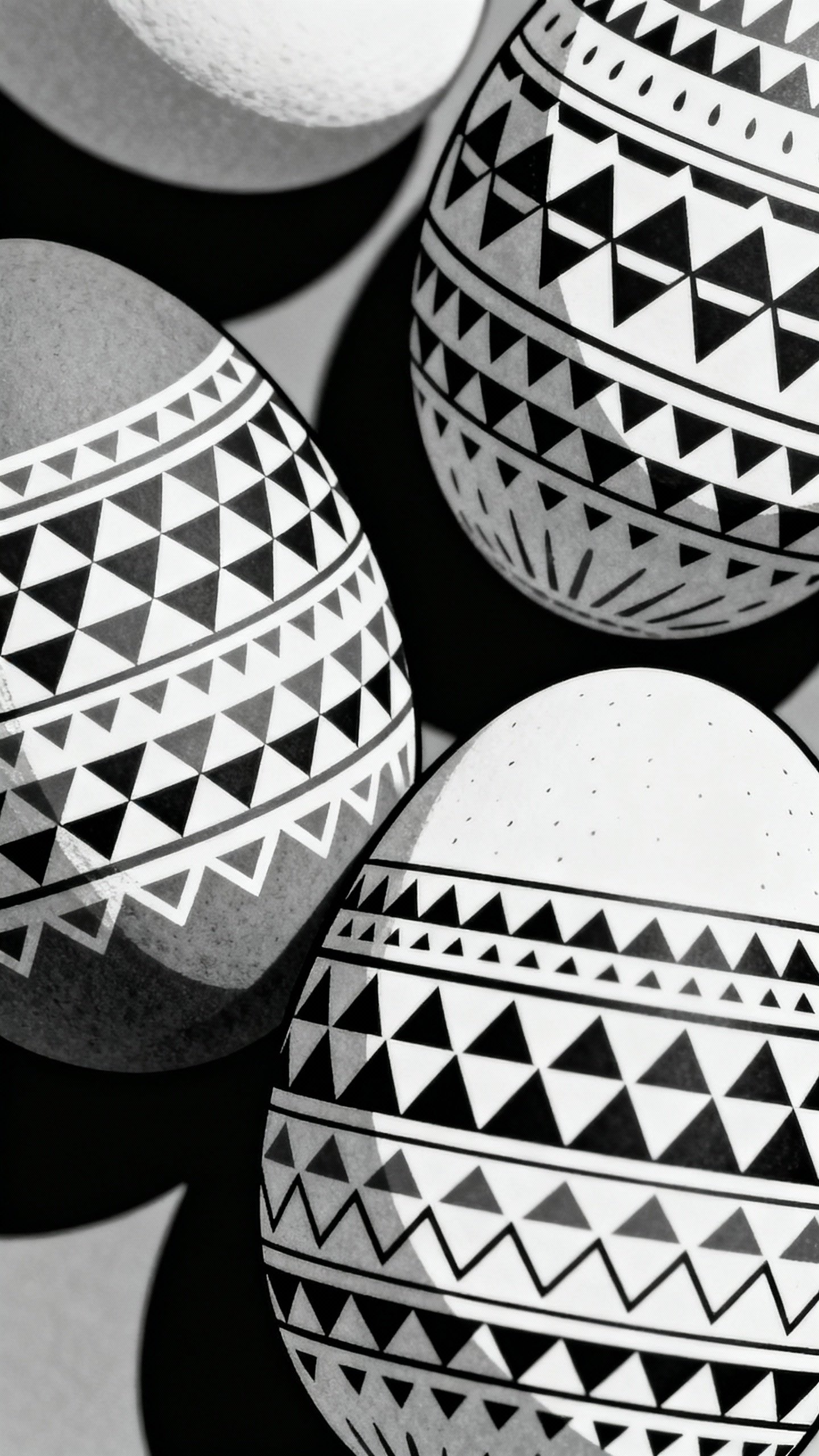
- Egg Design Lab: Blank eggs with patterns to trace or invent. Add prompts like “Only triangles!”
- Roll-a-Bunny: Roll a die to choose ears, eyes, whiskers, etc. Hilarious results guaranteed.
- Spot the Difference: Two baskets that look almost alike.
Hide 7 changes.
- Secret Message: Simple substitution cipher: A=1, B=2. Decode “HAPPY EASTER.”
- Color Hunt Bingo: Grid with colors and tiny icons. Mark each as you find them during the day.
- Easter Story Starter: “You opened a giant egg and found…” Let them write or draw the ending.
- Mindful Bunny: “Trace the bunny’s ear while you take three slow breaths.” Calms the chocolate jitters.
For the Egg Hunt Crew
- Clue Cards Page: Pre-written rhyming clues you can cut out.
Example: “I’m where you rest your head at night, look under where pillows get light.”
- Egg Tally Sheet: Track colors and total eggs found. Add a bonus star for helping a younger sibling.
- Trade & Swap Rules: A page that explains fair trading after the hunt. Because chaos.
Make It Durable (Because Kids)
If your kid treats paper like an enemy, reinforce it.
You have options. None require a craft PhD.
- Cardstock cover: Adds structure. Let them color the cover, then laminate if you’re fancy.
- Binding: Staple along the side, use binder rings, or spiral-bind at a copy shop for a few bucks.
- Dry-erase trick: Slip puzzle pages into sheet protectors and use dry-erase markers for replays.
- Sticker stash: Add a small sticker page at the back.
Stickers equal instant engagement.
Print Tips
- Black-and-white friendly: Keep designs high contrast. Save the color ink for eggs.
- Margins: Leave at least 0.5 inches so nothing gets chopped off.
- Test difficulty: If your kid finishes in 10 seconds, bump it up. If frustration hits, dial it back.
Turn It Into a Tradition
Make a new edition every year with a different theme: woodland creatures, spring gardens, silly monsters in bunny ears.
Kids love “collecting” editions.
Add a keepsake page at the end: favorite memory, number of eggs found, a mini photo. FYI, future you will cry happy tears looking back at these.
And yes, bribe them with a “completion certificate” page. Works like a charm.
Quick Starter Kit (Copy-Paste This Outline)
- Cover: “My Easter Adventure Book” + space for name and age
- Warm-Up: Color-by-number bunny
- Maze: Bunny to basket (easy)
- Scavenger Hunt: Find 5 spring items
- Math Fun: Egg patterns (ABAB, AABB)
- Creative: Design three eggs with themes (space, ocean, rainbow)
- Word Search: Spring words (12–16 words)
- Spot the Difference: Two baskets (7 changes)
- Roll-a-Bunny game
- Story Starter: “The egg that hatched a surprise…”
- Maze: Bunny to carrot (medium)
- Code Breaker: A=1, B=2 phrase
- Tic-Tac-Toe page (4 grids)
- Mindful Bunny: Breathing + gratitude eggs
- Egg Hunt Tally + Trading Rules
- Certificate: “Official Egg-splorer” with signature line
FAQs
Q: How many pages should I include?
For most kids, 20–30 pages hits the sweet spot.
Under 15 feels too short. Over 40 turns into homework (and you’ll lose them).
Q: What if I don’t have a color printer?
No problem. Keep everything high contrast and add patterns instead of colors.
Let kids color the art themselves. Black-and-white can look clean and pro, IMO.
Q: How do I make puzzles without design skills?
Use free puzzle generators for word searches and crosswords. For mazes, search free printable templates or use simple shapes and paths in Canva or Slides.
Kids care about fun, not perfection.
Q: Can I make this for a group or classroom?
Yes. Create a master PDF and print multiples. Include a few differentiated pages labeled Easy/Medium/Challenging so everyone finds a win.
Q: How do I keep siblings from arguing over it?
Give each child their own copy and add a name line on the cover.
Include one or two collaborative pages inside so they still do something together without turning it into a gladiator match.
Q: Any eco-friendly tips?
Print double-sided, use recycled paper, and slip repeatable pages into sheet protectors with dry-erase markers. Reuse the cover every year and just swap the inside pages.
Conclusion
A DIY Easter activity book keeps kids busy, creative, and off your phone for at least 20 glorious minutes. Start simple, personalize a few pages, and build from there.
You’ll create a holiday keepsake they’ll actually revisit—and you might even enjoy making it. That’s a win-win, no egg-splanation needed.
Explore More on FreeKidsHub
Jump into your favorite category for easy printables, fun activities, and family-friendly ideas — all in one place.
Tip: Add this block to the end of every post for stronger internal links ✨