
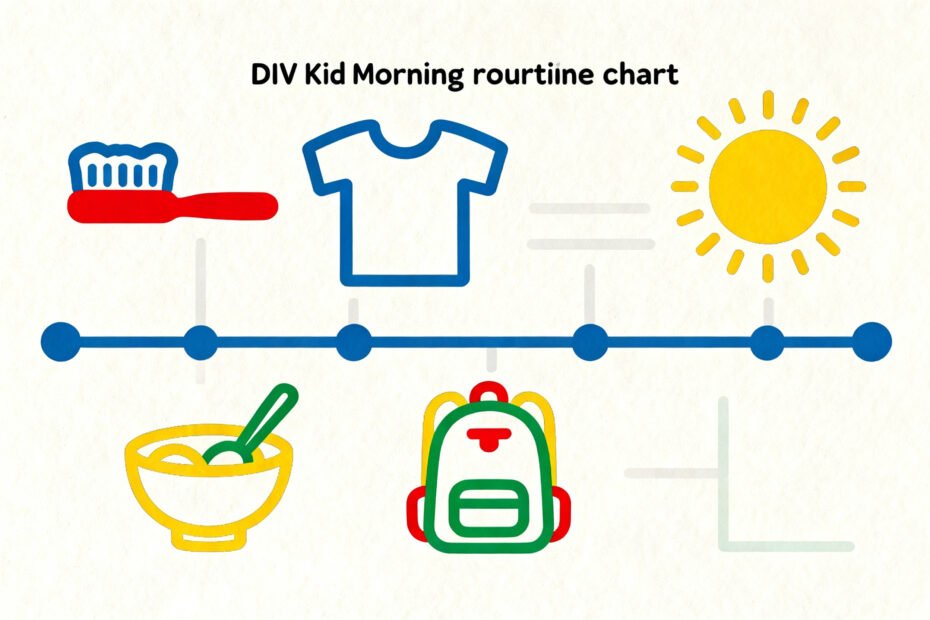
You know those chaotic mornings where one kid can’t find socks, another refuses to brush teeth, and you’re Googling “Is cereal a vegetable?” Same. A morning routine chart can turn that circus into something that actually runs—dare I say—smoothly. Kids love visuals and checklists, and we love not repeating ourselves 14 times.
Let’s build a DIY kids morning routine chart you can print, customize, and use tomorrow.
Why a Morning Routine Chart Works (and Saves Your Sanity)
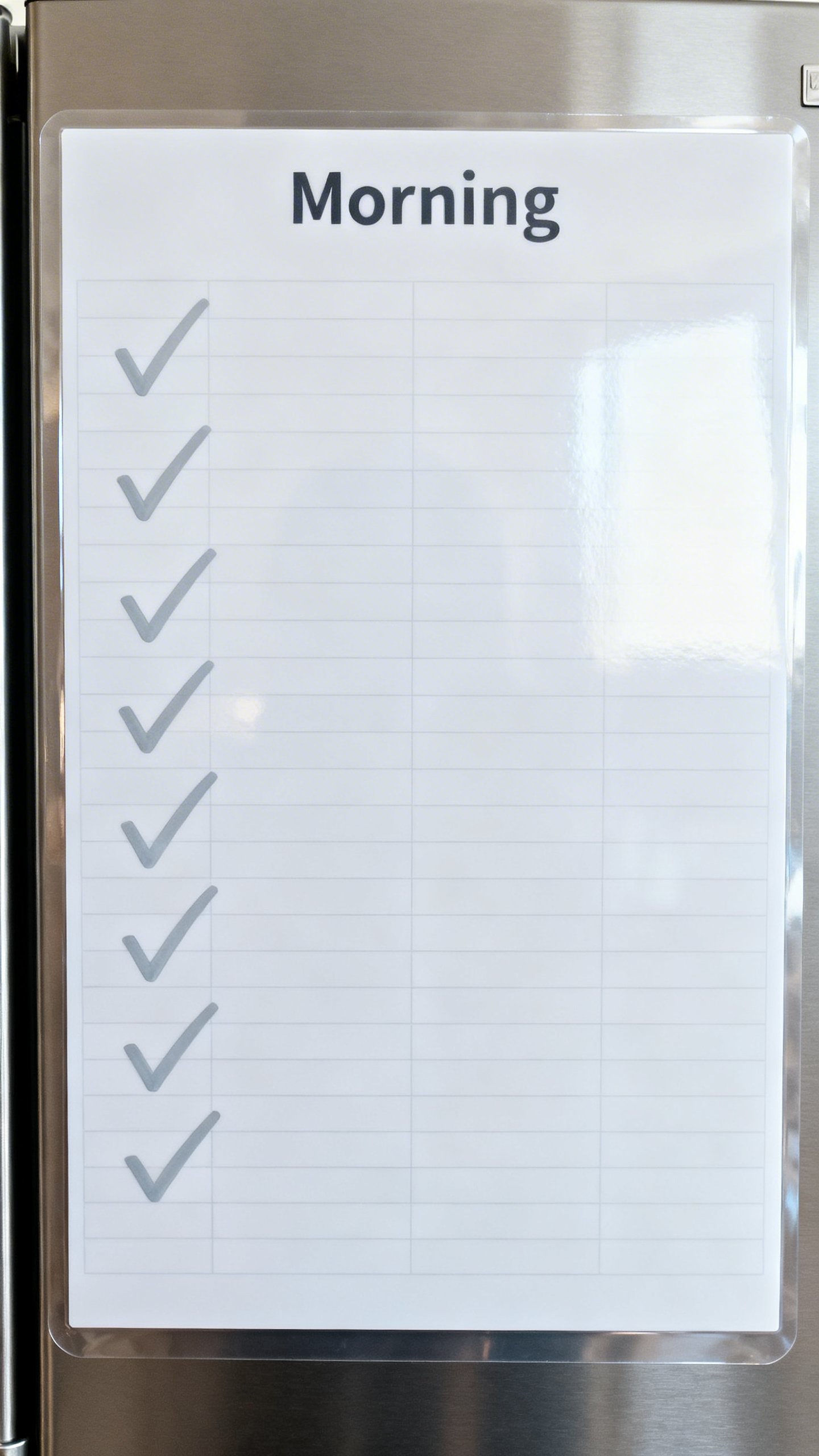
Kids want autonomy, but they also need structure. A routine chart gives them both. It shows what to do, in what order, without you micromanaging every step.
Visuals beat nagging every time.
Your child checks off tasks and gets instant feedback. You sip hot coffee like a winner. Everybody wins.
FYI: Charts reduce decision fatigue.
When the plan lives on paper, kids don’t argue with you—they follow the list. Magic.
What to Include on the Chart
Keep it short and sweet. You want a list a child can finish before school without a meltdown.
Include only what truly matters.
- Wake up
- Use the bathroom
- Brush teeth
- Get dressed
- Make bed
- Eat breakfast
- Pack backpack (lunch, water, homework)
- Shoes on, ready to go
Optional add-ons if your mornings allow it: quick stretch, feed pet, wipe face, hair check, sunscreen, quick chore. But don’t overstuff it—more steps = more stalling.
For Different Ages
- Preschool (3–5): Use pictures or icons. Keep 5–6 steps max.
Simple language like “Brush,” “Dress,” “Eat.”
- Early Elementary (6–8): Add checkboxes and time targets. Introduce “Pack backpack” and “Shoes by door.”
- Older Kids (9–12): Let them customize order. Add time estimates.
Include “Review schedule” or “Practice instrument (5 min).”
DIY Printable: How to Make It (Fast)
You don’t need fancy software. You need clear steps, bold icons, and a format you can reprint or laminate. IMO: Keep the design clean and the font large.
- Pick a layout: Portrait for fridges, landscape for desks.
Use 1 page so it stays visible.
- Add sections: Title, task list with checkboxes, maybe a small reward tracker at the bottom.
- Use icons: Toothbrush, shirt, bed, bowl, backpack, shoe. Kids “read” pictures faster than words.
- Choose fonts/colors: Big, high-contrast. Avoid clutter.
One accent color per child.
- Print and protect: Use cardstock and laminate, or slip it into a clear page protector for dry-erase.
Sample Task List You Can Copy
- Wake up and potty
- Brush teeth + face
- Get dressed
- Make bed
- Eat breakfast
- Pack backpack
- Shoes on, jacket ready
- High-five, let’s go!
Make It Kid-Friendly (So They Actually Use It)
Involve your child in the creation process. Let them choose the icon style or the accent color. Ownership = buy-in.
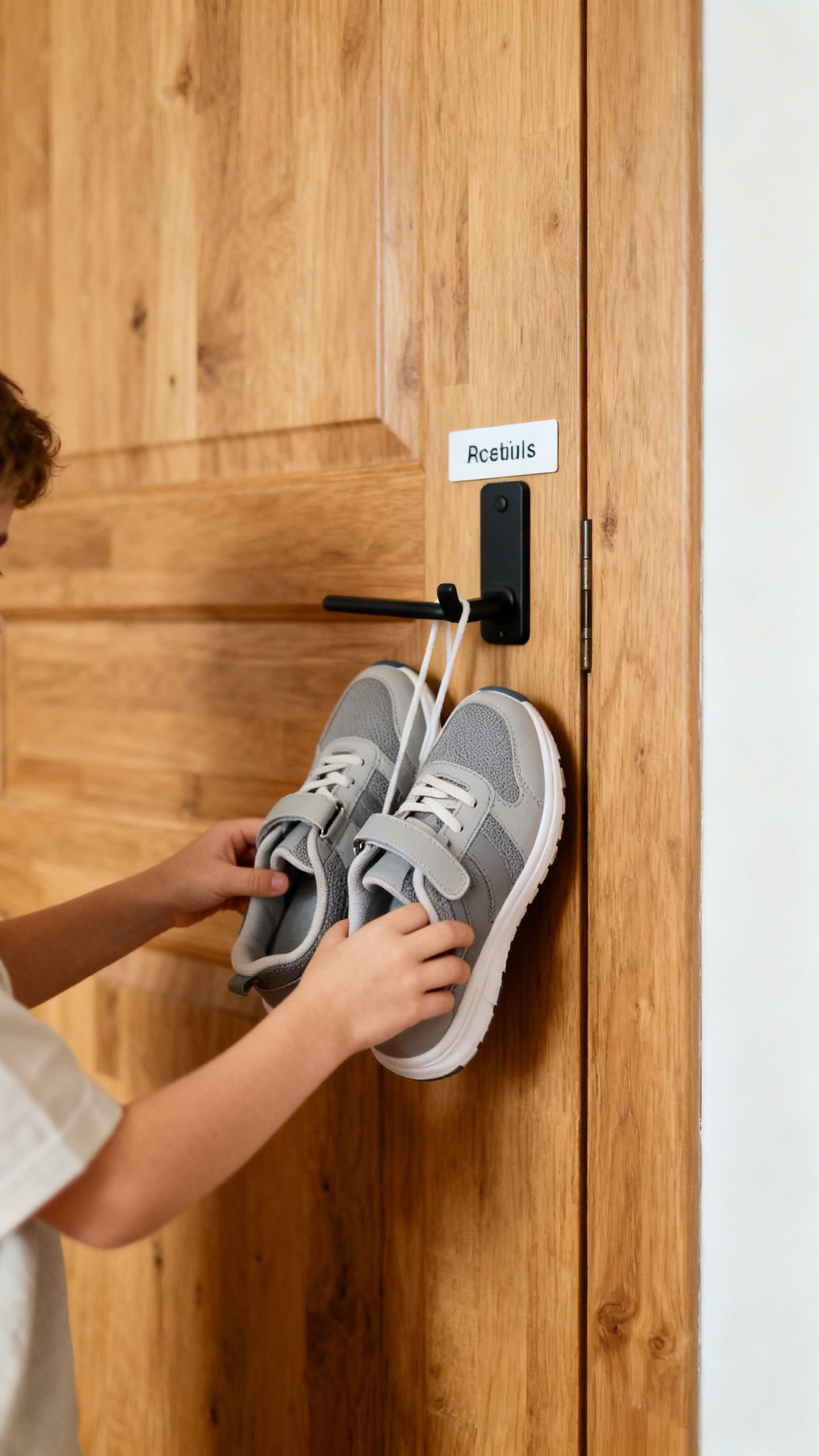
Place the chart where they can’t miss it: fridge, bedroom door, or by the shoe rack.
Eye level works best.
Use dry-erase markers or small stickers for check-offs. Kids love the physical act of “done.” It’s oddly satisfying for adults too, FYI.
Timing Without Tears
- Use mini-deadlines: “Dressed by 7:15,” “Breakfast done by 7:30.” Set gentle timers.
- Front-load must-dos: Teeth and dressing before breakfast stops the last-minute scramble.
- Buffer time: Add 5–10 minutes. Shoes always take longer than logic allows.
Rewards That Don’t Create Monsters
You don’t need bribes for basic human tasks, but small motivators help build habits.
Keep it simple and non-food-based when possible.
- Sticker tally: 1 sticker per full morning. 5 stickers = choose a family game.
- Beat the timer: Finish by the music playlist’s last song = pick the ride-home song later.
- Responsibility points: Earn points, trade for privileges like extra reading time or picking dessert.
Consistency matters more than prizes. Celebration can be as simple as “You crushed that chart today!” Kids glow. So do we.
Handling Common Roadblocks
Morning routines hit snags.
You can troubleshoot without ditching the chart.
- Refusal to start: Start together. Model the first task. “I’ll brush my teeth while you brush yours.” Then step back.
- Perfection paralysis: If “make bed” becomes a 10-minute art project, set a “good enough” standard: pull up blanket, place pillow.
- Missing items: Create a “Launch Pad” by the door for shoes, backpack, water bottle. Label hooks.
Save your ankles from shoe-hunting sprints.
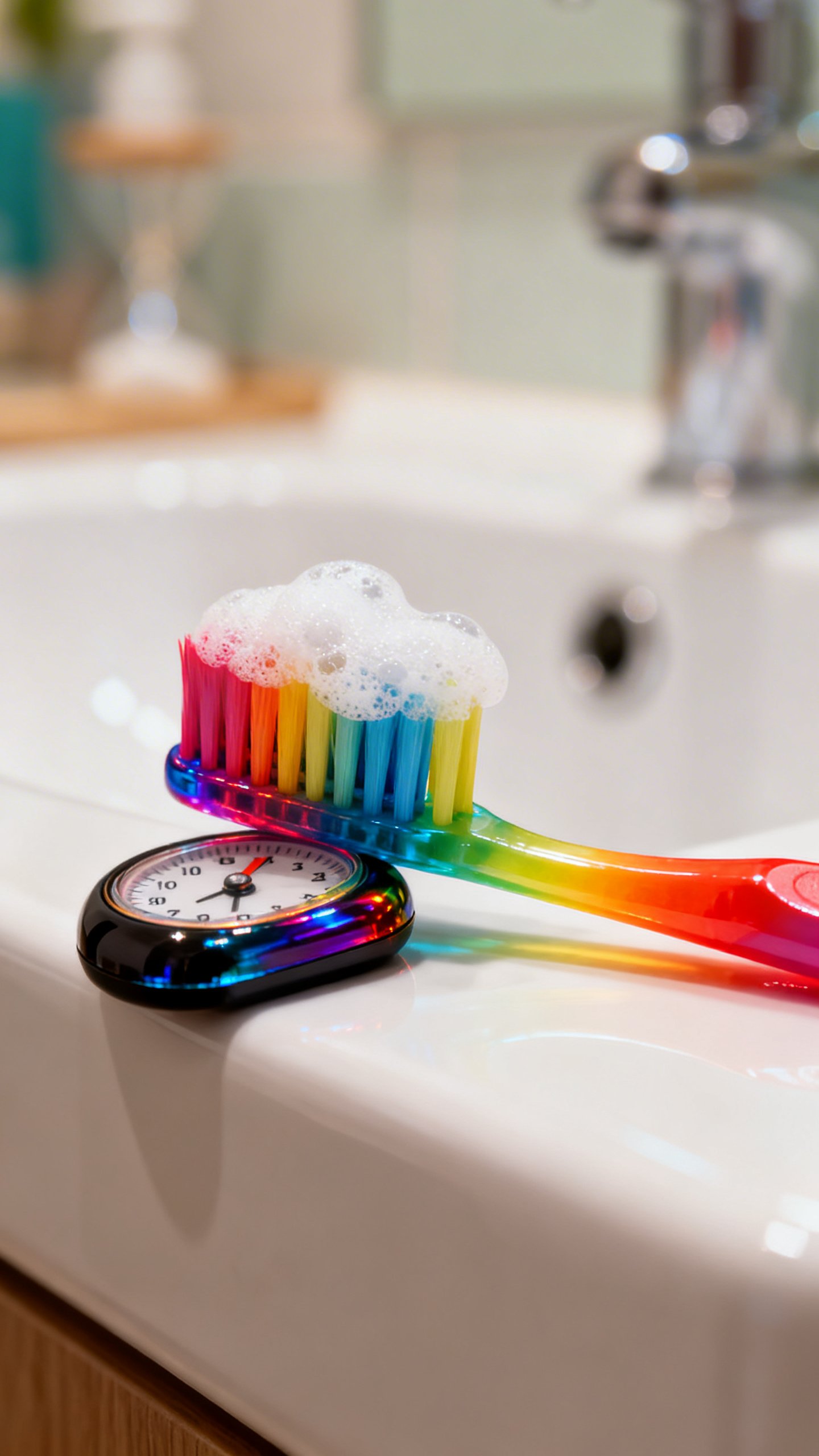
- Slow-motion mode: Use a visual timer or a playlist. One song per task keeps kids moving.
- Sibling rivalry: Give each child a different color chart. No “But I finished first!” wars needed.
When to Adjust the Chart
- After one week, ask what feels too hard or too easy.
- Season changes: add sunscreen or swap jackets for hats.
- New activities: add “Instrument practice” or “Sports bag check.”
Pro Tips to Keep It Fresh
- Theme days: “Toothbrush Tuesday” with a silly 30-second song.
Lighten the mood.
- Power of choice: Let kids choose task order, as long as teeth and clothes happen before breakfast.
- Visual success: Snap a pic of a “ready to go” kid and post it near the chart. Instant reminder of the goal.
- Rotate icons: New sticker sets keep enthusiasm alive. IMO, dinosaurs never fail.
FAQ
Q: What if my child can’t read yet?
Use pictures or icons for each task.
Pair one or two simple words with the image so they start connecting letters to meaning. You can also color-code steps: blue for bathroom tasks, green for getting dressed, orange for breakfast.
Q: How long should the whole routine take?
For most kids, 30–45 minutes works. Aim for predictable timing with mini-deadlines.
If you always leave at 7:45, start the chart by 7:00 and add a 5–10 minute buffer for shoe chaos.
Q: Do I need rewards for this to work?
Not always. Many kids respond to the satisfaction of checking boxes. If motivation dips, use small, non-material rewards like choosing the car playlist or the bedtime story.
Keep it simple and consistent.
Q: My kid rushes and does a messy job. Help?
Define “done.” Add micro-checks like “Brush teeth for 2 songs” or “Bed = blanket pulled up + pillow on top.” Do quick spot checks at first, then fade your oversight as habits stick.
Q: What if mornings still feel chaotic?
Prep the night before: lay out clothes, pack lunch, fill the water bottle, sign papers. Use a “Launch Pad” with labeled bins for shoes and backpacks.
Morning peace starts at bedtime, IMO.
Q: How do I handle weekends?
Make a lighter weekend version: brush, dress, breakfast, then “Free choice” or “Chore of the day.” Keep the rhythm without the rush.
Conclusion
A DIY kids morning routine chart won’t solve every meltdown, but it gives your family a map—and maps beat guesswork every day of the week. Keep it visual, keep it simple, and let your kid own the process. Print it, post it, and watch mornings go from chaos to “Hey, this is actually working.” Bonus: your coffee stays hot.
You deserve that win.
Explore More on FreeKidsHub
Jump into your favorite category for easy printables, fun activities, and family-friendly ideas — all in one place.
Tip: Add this block to the end of every post for stronger internal links ✨