
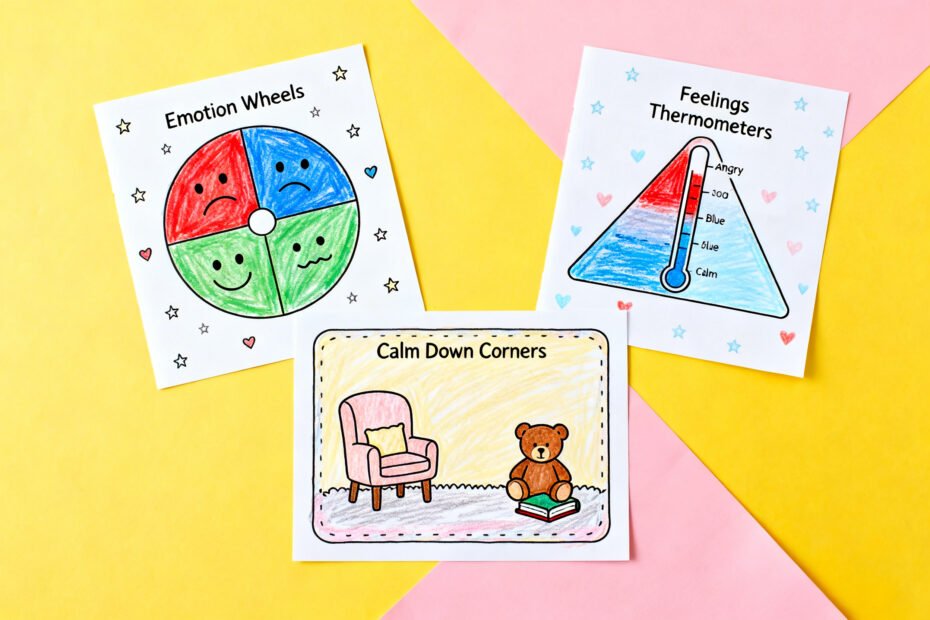
Feel like your kid’s emotions flip faster than a TV remote? One second they’re giggling, the next they’re melting down because the banana broke. Good news: you can help them build emotional muscles with simple, playful worksheets you make at home.
No fancy printer, no Pinterest perfection needed—just a bit of time, some crayons, and a willingness to get a little silly.
Why DIY Beats Downloaded Printables

You can buy shiny printables, sure. But when you make worksheets with your kid, you make them relevant to their world. That stuffed llama named Sparkles?
Put Sparkles in the scenarios.
DIY also means you can adjust on the fly. Bad day at school? Create a quick “What Could I Do Instead?” sheet about playground drama.
IMO, customization wins every time.
Plus, kids take ownership when they help build the tools. If they drew it, they’ll use it. Magic.
The Core Skills Your Worksheets Should Practice
- Emotion labeling: naming what they feel with words, faces, and body cues.
- Body awareness: noticing physical signals (tight tummy, fast heart) before the blowup.
- Coping choices: picking strategies that fit the moment.
- Perspective shift: seeing another angle, even when it’s hard.
- Problem-solving: small steps, clear choices, quick wins.
Age Tweaks That Help
- Ages 4–6: big pictures, stickers, simple words, lots of color.
- Ages 7–9: simple sentences, checkboxes, short stories.
- Ages 10–12: mini-journaling, comic strips, cause-and-effect chains.
Seven DIY Worksheets Kids Actually Want to Use
1) Feelings Menu
Draw a “restaurant menu” with sections: Appetizers (small feelings), Main Dishes (big ones), Desserts (after-feelings).
Kids circle what’s on their plate today.
- Why it works: normalizes mixed emotions and invites choice.
- Supplies: paper, markers, optional stickers.
- Prompt: “What’s your Main Dish right now? Any side dishes?”
2) My Body Clues Map
Trace your kid’s outline (or draw a simple figure). Add spots where emotions show up: tight jaw, sweaty palms, squishy tummy.
Color code by feeling.
- Why it works: connects emotions to physical signals, so kids notice earlier.
- Bonus: add a small legend: red = mad, blue = sad, yellow = worried, green = calm.
3) The Calm-Down Toolkit Builder
Split a page into boxes labeled “Move,” “Breathe,” “Comfort,” “Distract,” “Ask for Help.” Brainstorm 3–5 options per box with your kid.
- Example strategies: wall push-ups, star breaths, hug a pillow, draw a comic, find Dad.
- Pro tip: put a star next to two “go-to” moves for emergencies.
4) Thought Detective
Make a simple comic strip: Situation → Thought → Feeling → Action → New Thought. Use a silly detective hat doodle, because why not.
- Target skill: spotting “all-or-nothing” thoughts and trying a kinder one.
- Prompt: “If your brain says ‘No one likes me,’ what might a detective say instead?”
5) The “Zones” Dashboard
Divide the page into four colored zones: Green (ready), Yellow (wobbly), Blue (low), Red (exploding). Under each zone, list 3 coping strategies.
- Key move: tape it to a visible spot and point to it before you talk.
- FYI: Keep language your own—no need to copy a trademarked system.
Make it “Our Zones.”
6) Problem-Shrinker Steps
Draw five stepping stones. On stone one, write the problem. On each next stone, write a tiny action (ask the teacher, set a timer, choose a buddy).
- Mindset shift: you don’t fix everything at once.
You shrink it one step at a time.
7) Victory Log
Create a weekly page with three boxes: “Tough Moment,” “What I Tried,” “Result/High-Five.” Add a space for a sticker or doodle trophy.
- Why it matters: kids see progress and feel proud. Confidence fuels regulation, IMO.
How to Make Them Stick (Literally and Figuratively)
- Keep them visible: fridge, bedroom door, binder cover.
- Use them during calm times: practice like a fire drill, not in an actual fire.
- Model it yourself: say, “I’m in Yellow Zone. I’ll take 5 star breaths.”
- Make it a ritual: 5-minute “Feelings Check” after school.
- Reward effort, not mood: celebrate trying a strategy, even if tears still happen.
Script Ideas For You
- “Which zone are you in?
Pick one tool.”
- “Where do you feel that in your body? Let’s mark it.”
- “Want to detective this thought with me?”
Quick Builds When You’re Tired and They’re Exploding
- One-minute Choice Board: draw nine boxes, write nine coping moves, let them point.
- Breathe Buddy: trace their hand, breathe in up the finger, out down the finger. Done.
- Emoji Slider: draw five faces from calm to furious; circle where they are now.
- Timer Ladder: three boxes: “Pause 30s,” “Pick 1 tool,” “Try 1 min.” Check each box.
Common Pitfalls (And How to Dodge Them)
- Too many words: use pictures and checkboxes.
If you’re writing paragraphs, you’re writing a novel.
- One-size-fits-all tools: some kids hate breathing exercises. Swap in movement or sensory tools.
- Using worksheets as punishment: never say “Do your sheet because you blew up.” Frame it as help, not consequence.
- Expecting instant zen: regulation is a skill. You’ll see micro-wins first.
Celebrate them.
When To Get Extra Support
If meltdowns happen daily, last long, or include self-harm language, loop in a pediatrician or child therapist. DIY helps, but professionals help more. FYI, trust your gut.
Make It Fun: Themes, Games, and Rewards
- Theme it: astronauts chart “emotion galaxies,” chefs choose “coping recipes,” superheroes pick “power moves.”
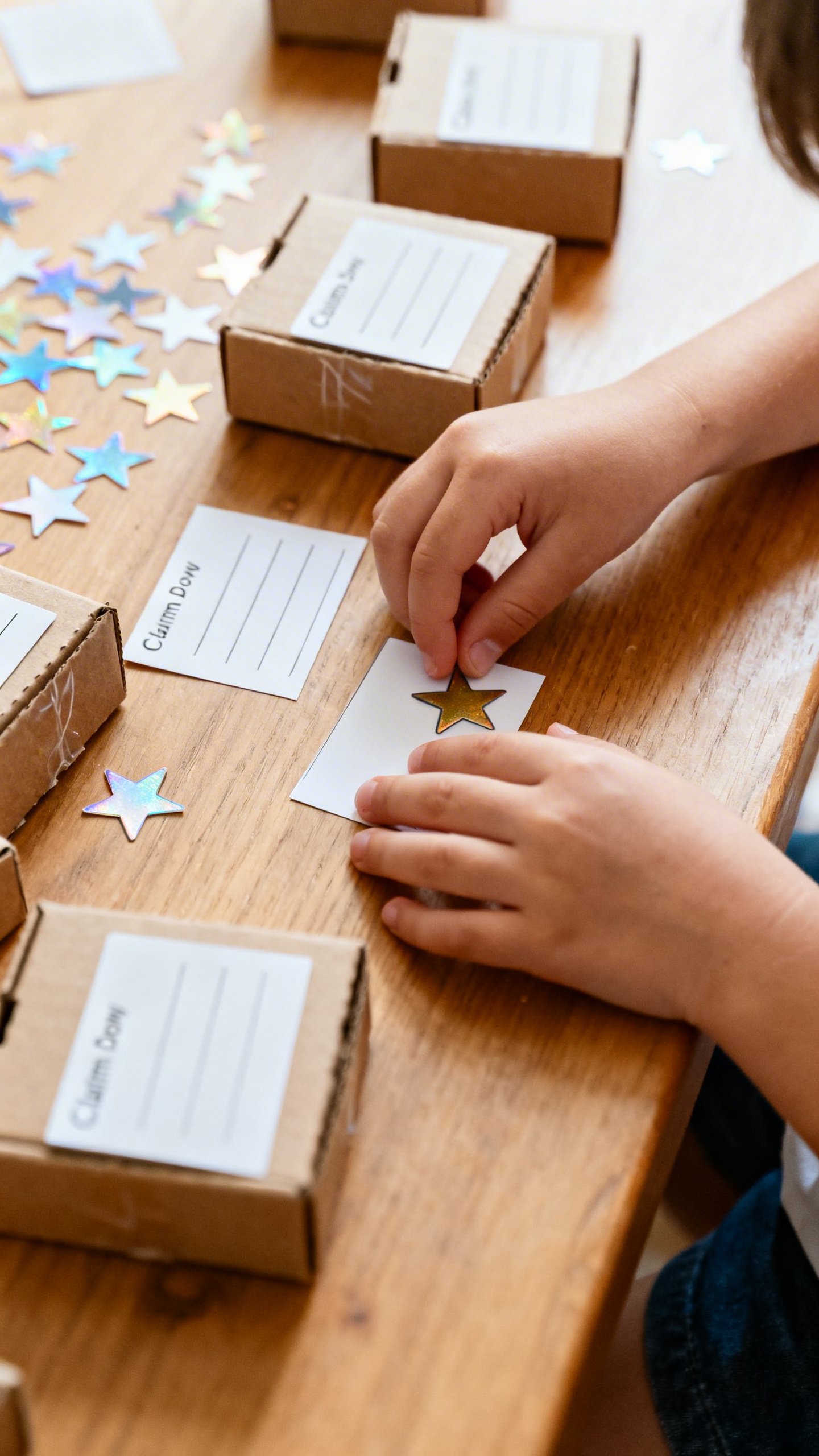
- Gamify: earn a sticker for each tool used, trade five stickers for a small privilege.
- Story mode: create a character who learns to regulate and star your kid as the guide.
- Art attack: let them decorate the borders—washi tape, glitter (if you dare), neon markers.
Materials You Already Own (Probably)
- Printer paper or a notebook
- Markers, crayons, colored pencils
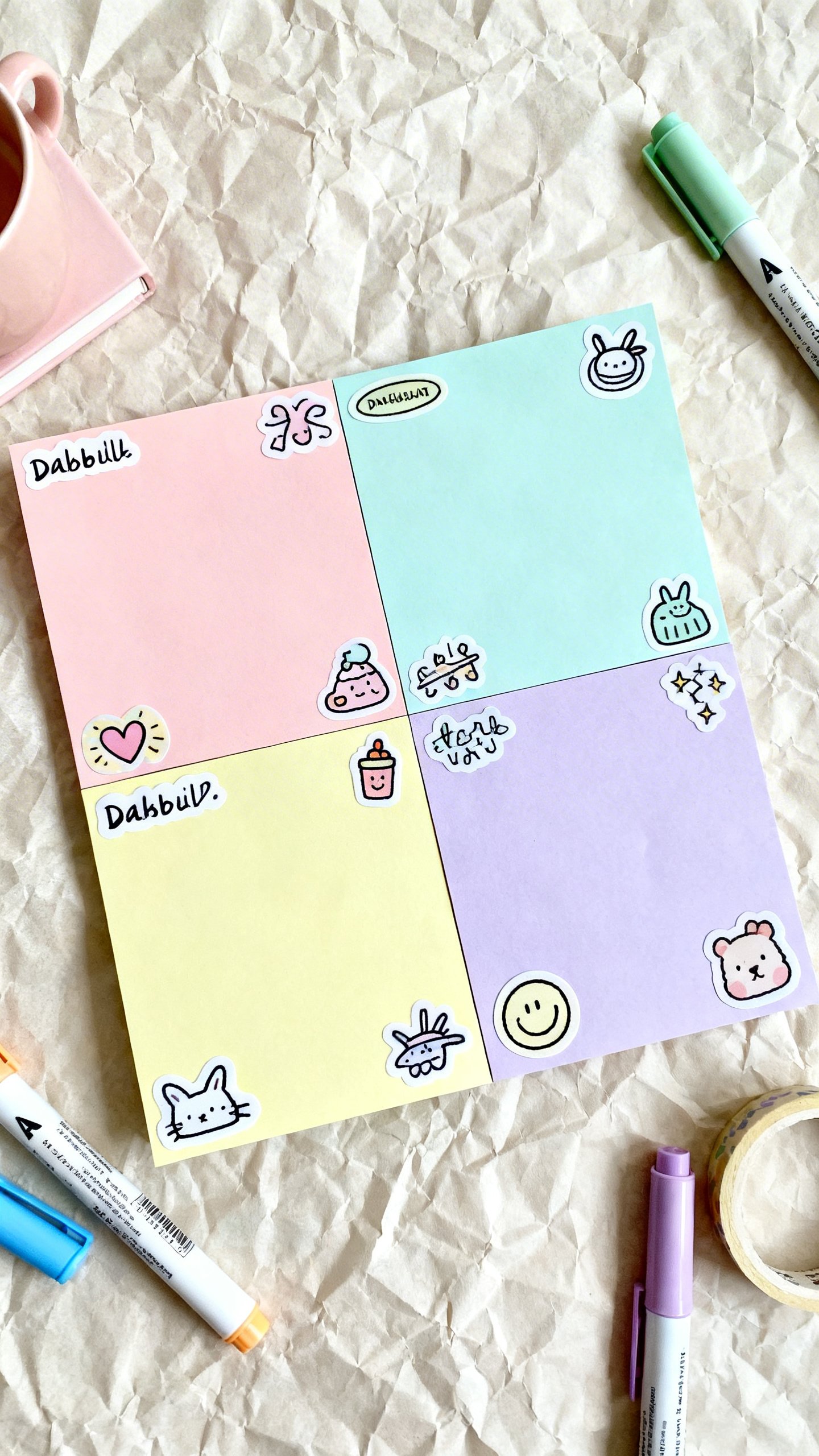
- Stickers or sticky notes
- Index cards (portable tools FTW)
- Timer or phone stopwatch
- Optional: page protectors + dry-erase markers for reusable sheets
Sample Weekly Flow That Actually Works
- Monday: Build a Feelings Menu together.
- Tuesday: Add 3 strategies to the Calm-Down Toolkit.
- Wednesday: Do one Thought Detective comic from a real moment.
- Thursday: Update the Victory Log with one win.
- Friday: Quick review.
Ask, “What tool helped most this week?”
Keep it light. Miss a day? No one’s coming to check your worksheet GPA.
FAQs
Q: How often should we use the worksheets?
Short daily touchpoints work best—2 to 5 minutes.
Do a longer session once a week to refresh tools. Think frequent and gentle, not marathon sessions.
Q: What if my kid refuses?
Offer choice and control. Let them pick the markers, choose the theme, or opt for a one-minute version.
Join in and model it yourself—kids copy what they see.
Q: Do I need to use the same system the school uses?
Consistency helps, but your home system just needs to be clear and simple. Borrow words or colors if that helps, but personalize the rest. Your kid’s buy-in matters more than perfect alignment, IMO.
Q: Can these help kids with ADHD or anxiety?
Yes, especially if you keep them visual, fast, and movement-friendly.
Build in sensory strategies (chew, fidget, stretch) and keep steps tiny. Consider professional guidance for tailored support.
Q: Should I use rewards?
Use them to reinforce effort, not feelings. Stickers for trying a tool?
Great. Rewards for “not being angry”? Hard pass.
We don’t punish emotions; we coach skills.
Q: What if emotions still run hot?
They will. The goal isn’t zero meltdowns—it’s quicker recoveries and kinder choices. Track small wins and keep practicing.
Skills grow with reps.
Conclusion
DIY emotion regulation worksheets turn big feelings into bite-size skills. You co-create tools, your kid owns the process, and everyone breathes a little easier. Start small, make it fun, and celebrate every tiny win.
You’ve got this—and if the banana breaks, you’ve got a worksheet for that too.
Explore More on FreeKidsHub
Jump into your favorite category for easy printables, fun activities, and family-friendly ideas — all in one place.
Tip: Add this block to the end of every post for stronger internal links ✨