

Kids don’t need a toy aisle to have an epic game night. Hand them paper, markers, and a roll of tape, and you’ve got a creativity lab. DIY board games turn rainy afternoons into giggle-fests, math practice into sneaky learning, and messes into memories.
Ready to make magic from printer paper? Let’s play.
Why DIY Board Games Beat Store-Bought (Sometimes)
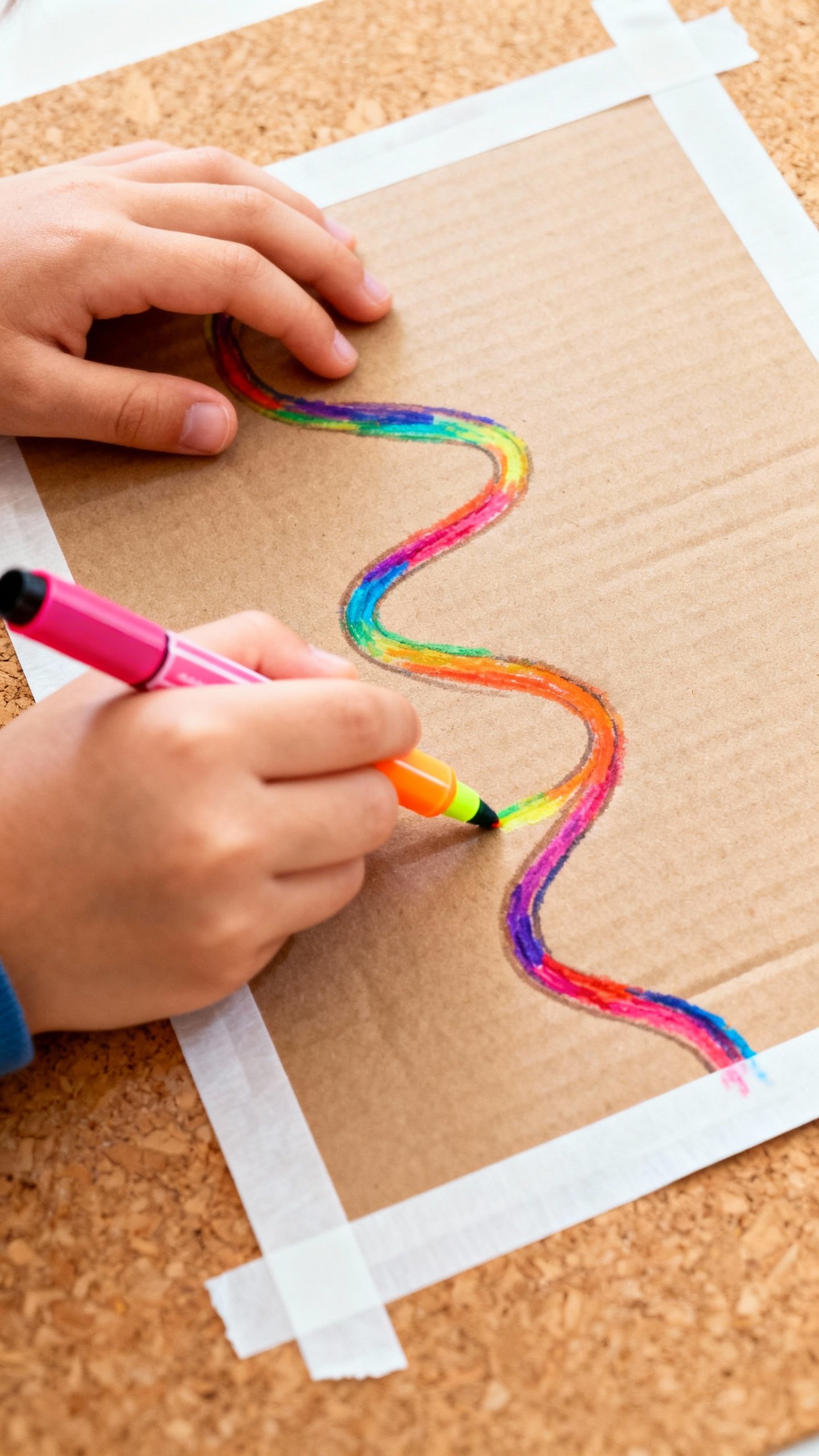
You create games that actually fit your kid’s age, interests, and attention span. No tiny plastic bits you’ll vacuum up for eternity.
No complex rules that make everyone cry. You can also build skills while you play. Think counting, reading, planning, turn-taking, and sportsmanship.
And FYI, kids buy in more when they helped make the game. Ownership equals excitement.
Gather Your Simple (But Mighty) Supplies
No craft store haul required. You can make almost everything with basics you probably already have.
- Paper: Printer paper, cardstock, index cards, or cut-up cereal boxes for durability.
- Markers: Bright colors win.
Add pencils or crayons for shading.
- Dice: Borrow from another game, or draw a spinner on paper and use a paperclip.
- Game pieces: Coins, buttons, LEGO heads, or folded paper pawns.
- Tape and glue: Reinforce edges, join sheets, or mount on cardboard.
- Extras (optional): Stickers, washi tape, highlighters, sticky notes.
Design Basics: Keep It Fun, Keep It Fast
You don’t need to be a game designer. Just follow a few simple rules.
- One core goal: Reach the finish, collect 5 stars, or solve the mystery. Don’t overcomplicate.
- Short rounds: Aim for 10–20 minutes.
Stop while excitement peaks, not after tears.
- Clear choices: On any turn, let kids choose between two actions. Choice = control.
- Visible progress: Paths, tracks, and checklists help kids see how far they’ve come.
- House rules: If a rule trips you up, change it. You’re the boss, IMO.
Kid-Friendly Rule Writing
Write rules in 3–5 bullet points on an index card.
Use short sentences. Do a pretend playthrough to catch weird edge cases. If you can’t explain it in under a minute, simplify.
Five Easy DIY Board Games to Make Today
No hours of crafting here.
Just grab paper and go.
1) Treasure Trail (A Classic Path Game)
Draw a winding path of 40–60 spaces on paper. Add 10+ special spaces with simple icons:
- Star = move forward 2
- Storm cloud = lose a turn
- Bridge = jump to the next bridge
- Chest = draw a card
Make 12 “Event” cards like “Swap places with another player” or “Take a shortcut.” Players roll a die to move. First to the treasure wins.
Pro tip: Add a “Catch-up boost” card so last place gets a little love.
2) Monster Math Mash
Perfect for stealth learning. Draw a grid board with monster lairs around the edges. Each lair shows a number.
Write simple math cards (addition for young kids, multiplication for older ones).
- On your turn: draw a card, solve it, move to the lair with the answer.
- Collect a monster token (paper circle) for correct answers.
First to 5 tokens wins. Make it co-op by racing a “doom track” instead—each turn, move doom up unless the answer is correct. Dramatic?
Yes. Effective? Also yes.
3) Story Quest: The Paper RPG
Draw a map: forest, cave, river, castle.
Place numbered spots. Create 12 “Story” cards like, “You meet a dragon who loves riddles. Roll even to pass, odd to tell a joke.” Keep it silly.
- Kids love choices, so add decisions: “Left to the waterfall, right to the market.”
- Use coins as health.
Lose one on a fail, gain one on a great joke.
Goal: reach the castle with at least one coin. Bonus points for dramatic voices.
4) Color Dash
Great for preschoolers. Draw a simple track with color-coded spaces.
Make a deck of color cards (repeat colors). On your turn, flip a card and move to the next space in that color.
- Add “wild color” cards that let you pick any color.
- Include “bridge” spaces so kids feel like geniuses when they skip ahead.
No reading needed. Big smiles guaranteed.
5) Build-a-Zoo
Draw a board with enclosures and paths.
Create animal cards and “Resource” cards (food, water, shelter).
- On your turn, take one action: draw a card, place an animal, or swap resources.
- Each animal needs a set of resources to “open” its enclosure.
Goal: open 3 enclosures. Add cute facts to animal cards for sneaky learning. FYI, stickers make this one extra adorable.
Make It Durable Without Fancy Gear
You want games that survive spills and sibling feuds.
- Mount on cardboard: Glue paper to a cut cereal box or shipping box panel.
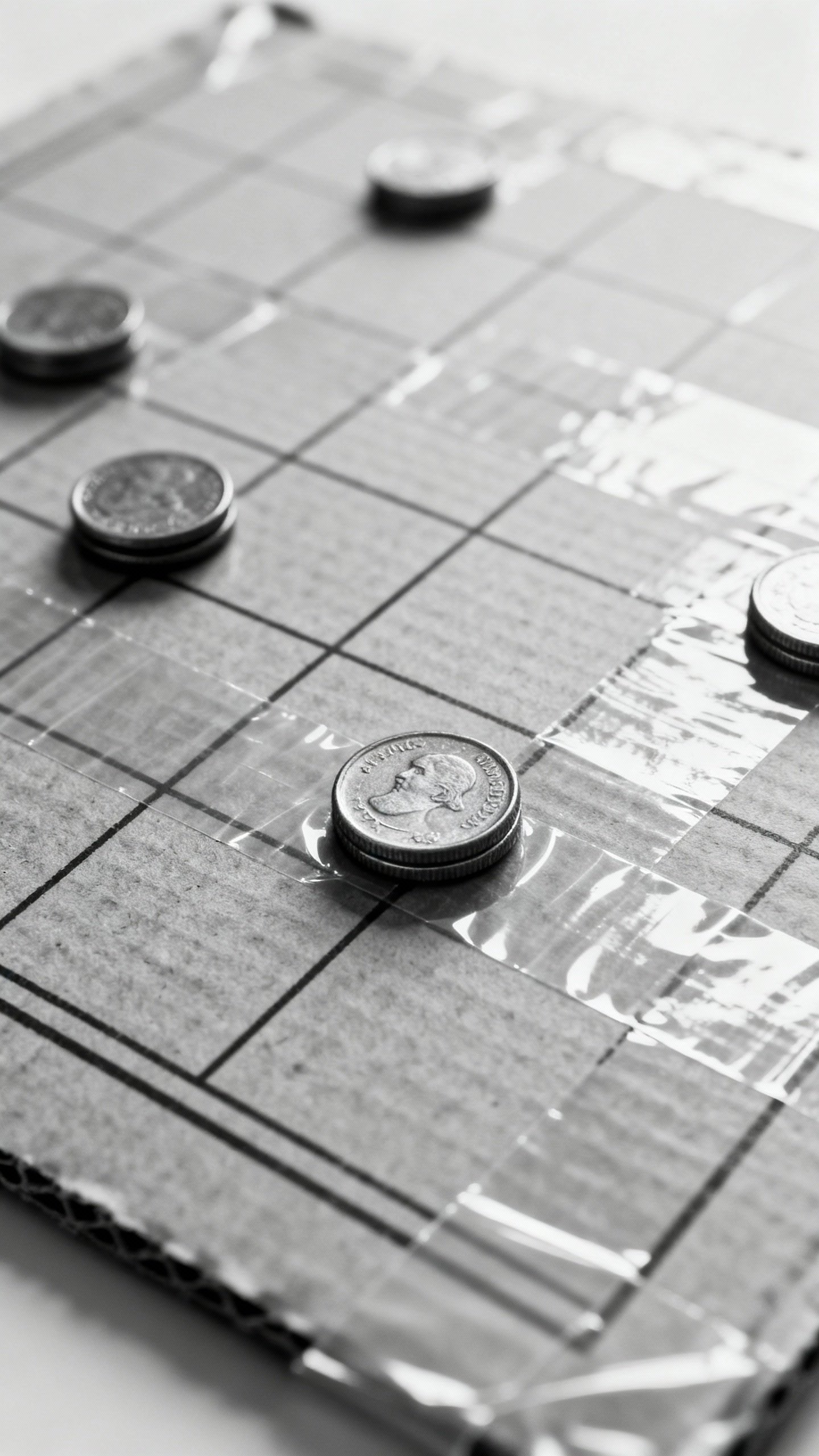
- Edge tape: Run clear tape along edges to prevent rips.
- Lamination hack: Cover with packing tape side by side for a quick “laminate.”
- Reusable cards: Slip index cards into snack-size bags and write with dry-erase markers.
Storage That Actually Works
Use zip bags for cards, a small box for tokens, and clip everything with a binder clip.
Write the game name on the bag. Keep all dice in one communal “dice jail” so they stop wandering off.
Level Up With Kid Co-Design
Let kids build the world. You’ll get wilder ideas and better buy-in.
- Theme first: Ask, “Do we want pirates, kittens, or space tacos?” Then design around it.
- Prototype fast: Make a quick messy version.
Playtest. Fix. Repeat.
- Share credit: Write “Designed by [Kid Name]” on the board.
Instant pride boost.
Upgrade Ideas
– Add mini-goals: collect 3 shells, then unlock the lighthouse. – Create “catch-up” mechanics: last place moves 2 extra spaces after a setback. – Use secret missions for older kids: “Help two players once” or “Avoid blue spaces.”
Common Pitfalls (And How to Dodge Them)
– Too many rules? Cut half. Keep the fun bits. – Overpowered cards?
Limit them to once per game. – Endless turns? Add a timer or a fixed number of rounds. – Sibling fights? Use co-op modes or “high-five trades” where helping earns a bonus.
FAQs
What if my kid gets bored halfway through making the game?
Start super small.
Make a 20-space path and 6 cards. Play immediately, then add more after a snack break. Momentum matters more than perfection.
Do I need dice to make these work?
Nope.
Draw a spinner, use numbered cards 1–3, or flip coins for move counts. Variety keeps kids engaged anyway.
How do I make it educational without killing the fun?
Embed the learning inside the play. Short math problems on event cards, reading simple instructions, or planning routes.
If it feels like a worksheet, you went too far—bring back the silly.
What ages does this work for?
Preschoolers love color and picture-based games. Early elementary kids crush counting, collecting, and simple strategy. Older kids lean into co-op missions, story quests, and secret objectives.
Tailor the challenge to the kid, IMO.
How do I keep the game fair with mixed ages?
Give younger kids small boosts: extra starting tokens, shorter paths, or “two tries on challenges.” For older kids, add secret missions or make them read cards aloud to help everyone.
Any quick themes that always work?
Animals, treasure hunts, food (pizza delivery quests win), superheroes, and anything gross-but-funny. Add stickers and dramatic sound effects for instant upgrades.
Conclusion
You don’t need shelves of store-bought games to throw a legendary family game night. With paper, markers, and a little chaos, you can invent worlds, sneak in learning, and laugh a lot.
Start small, play fast, adjust on the fly, and celebrate the mess. Your new family classics are waiting in the recycling bin—go make them.
Explore More on FreeKidsHub
Jump into your favorite category for easy printables, fun activities, and family-friendly ideas — all in one place.
Tip: Add this block to the end of every post for stronger internal links ✨