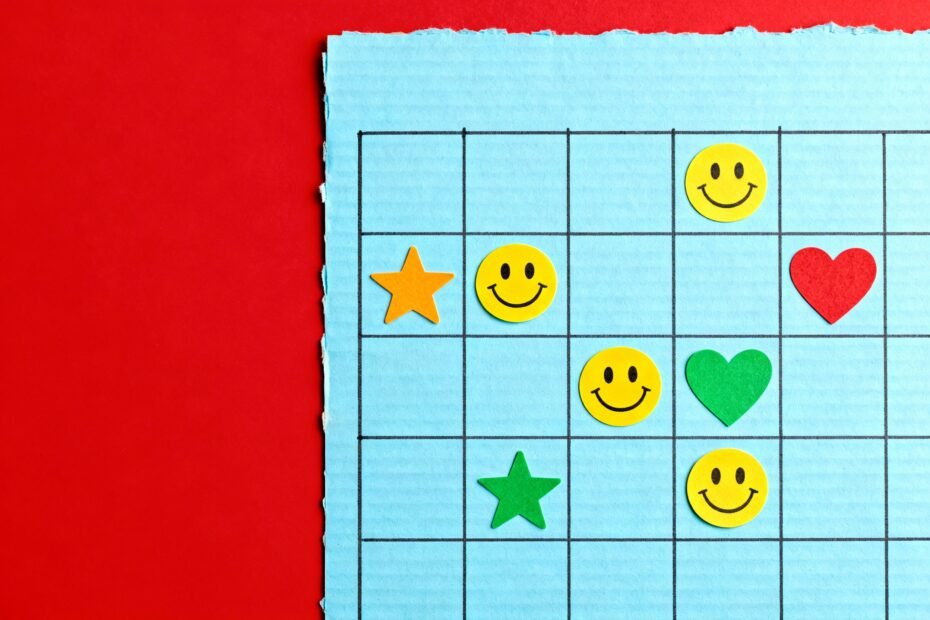
Ever wish your kids came with a “motivation” button? Stickers and charts might be the next best thing. They’re simple, cheap, and weirdly magical at getting kids to brush teeth, do homework, or not treat the living room like a trampoline park.
Stickers turn chores into a game, and charts keep the rules crystal clear. Ready to build a DIY reward system that actually works?
Why Stickers and Charts Work (Like, Surprisingly Well)

Stickers feel like a tiny celebration. Kids love collecting, counting, and seeing progress.
That visual representation keeps them engaged, especially for younger kids who think long-term goals sound like “forever.” Charts help you set clear expectations. Kids do better when they know exactly what gets a reward. It also keeps you consistent—no more random “good job” prizes on Tuesdays but not Wednesdays. FYI, consistency is the secret sauce.
Set Up the System: Simple, Clear, Fun
You don’t need a Pinterest-perfect masterpiece.
You need a chart, stickers, and a plan. Do this first:
- Pick 3–5 target behaviors: Think specific and doable. “Brush teeth AM/PM,” “Put toys away,” “Kind words,” “Homework before screens.”
- Choose the chart style: Weekly grids, habit trackers, or columns with targets and spaces for stickers.
- Define rewards: Small daily rewards and bigger weekly ones. Make it clear how many stickers unlock what.
- Decide when to give stickers: Immediately after the behavior.
No delays. The brain loves instant dopamine.
Pro tip: Kid buy-in matters
Let your child pick the sticker theme (dinosaurs, stars, sparkly kittens—whatever). Ownership boosts motivation. Also let them help name rewards. When they help design the system, they’ll use it.
What You Need (No Fancy Stuff Required)
You can DIY this with supplies you already have:
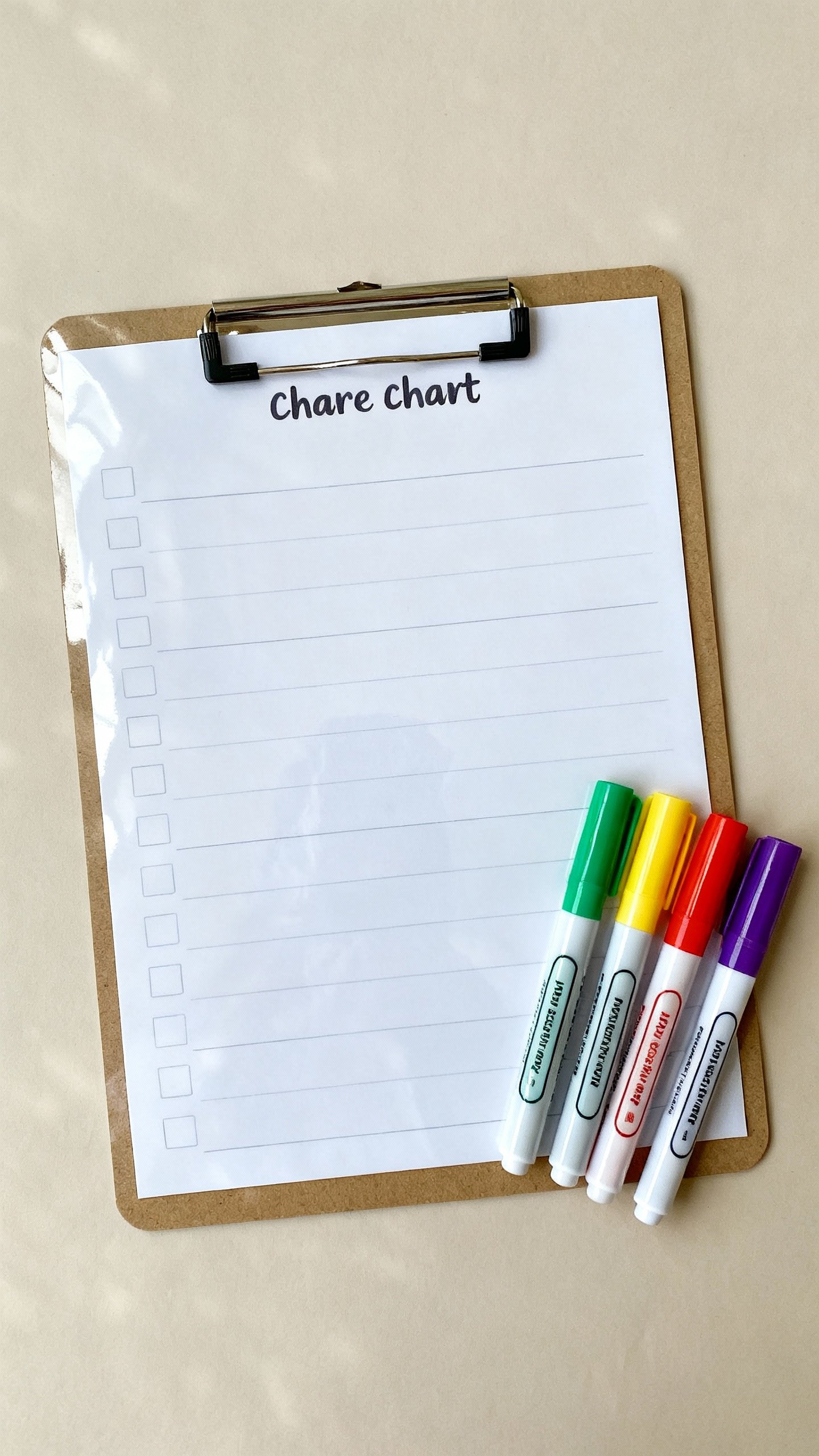
- Chart: Print a template or draw columns on a piece of paper.
Laminating helps if you want reusability.
- Stickers: Small, plentiful, and appealing. Buy rolls or sheets in themes your kids love.
- Markers: Color-code tasks if that helps your kid “get it.”
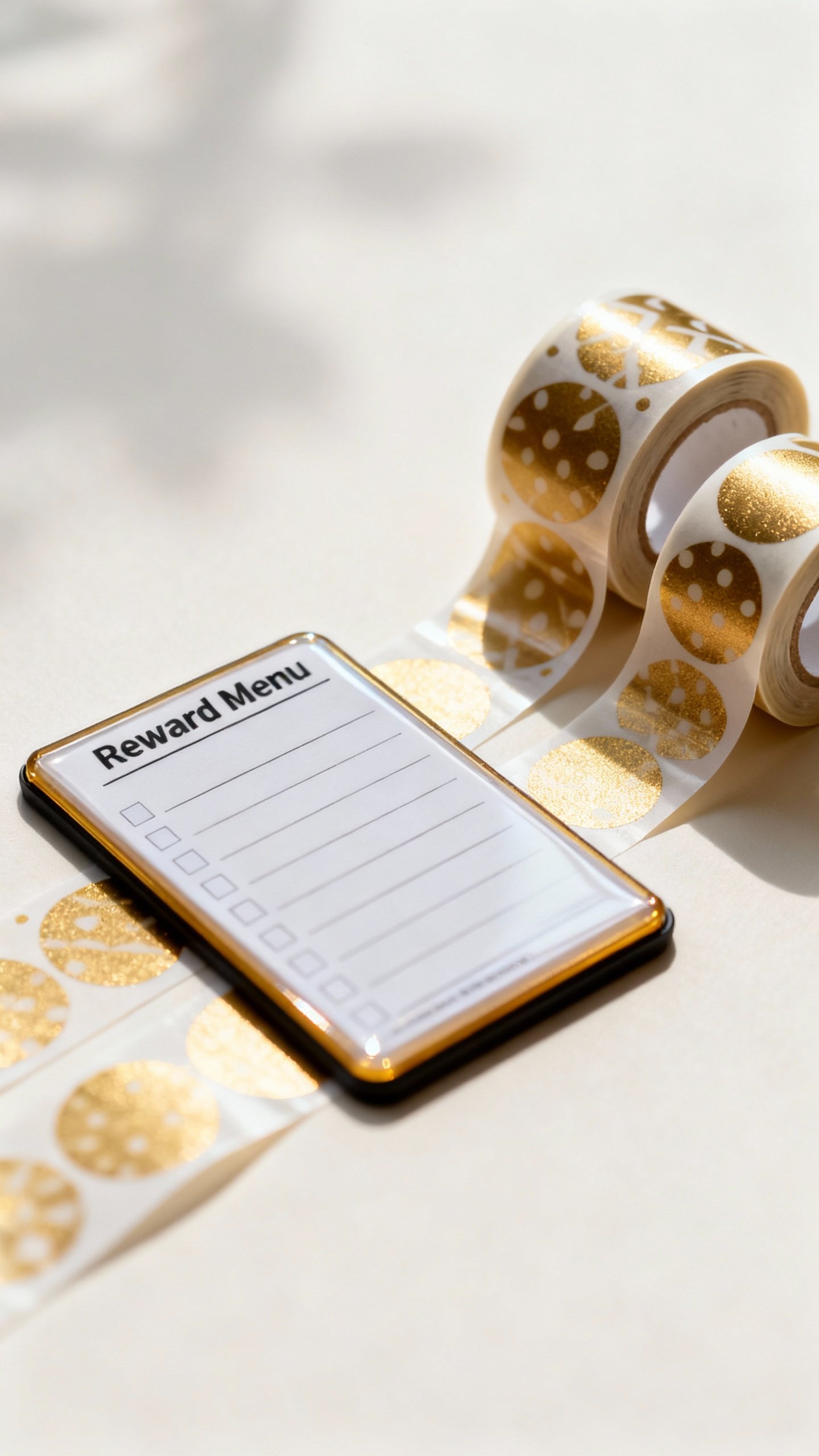
- Reward menu: A written list of what stickers can buy. Hang it near the chart.
Digital option
If your kid loves screens, try a digital sticker chart with a tablet app or a shared Google Sheet.
Still keep rewards tangible. IMO, young kids still respond best to physical stickers.
Design the Chart: Make It Obvious
The cleaner the layout, the better. Use this simple structure:
- Left column: List the tasks (max 5 for sanity).
- Top row: Days of the week (or times of day).
- Boxes: One sticker per completed task.
Sticker-to-Reward conversion
Make a simple key your kid can understand:
- 3 stickers = Choose the bedtime story
- 7 stickers = 10 minutes of bonus screen time
- 15 stickers = Pick a family game
- 25 stickers = Small toy or outing (park, ice cream)
Keep reward values realistic. Small, frequent wins keep kids engaged.
How to Roll It Out (Without Eye Rolls)
Set the vibe: “You earn cool stuff by practicing great habits.” This isn’t bribery; it’s training the brain.
Big difference.
- Model it: Show exactly how to earn a sticker. Practice together once.
- Reward immediately: Sticker goes on the chart the second the task happens.
- Praise specifically: “You put all the blocks in the bin—nice job following through!”
- Use neutral language for misses: No sticker today? Cool.
Try again next time.
Script you can steal
“Brush your teeth before the timer ends, get a sticker. Five stickers by Friday? You choose movie night.
Deal?” Short and clear beats a lecture every time.
Make Rewards That Don’t Break the Bank
You can skip expensive toys. Kids love attention and choices. Try these budget-friendly rewards:
- Experiences: Park trip, picnic dinner, baking cookies, bike ride.
- Privileges: Stay up 15 minutes later, pick the playlist, choose dessert.
- Creative choices: Temporary tattoos, building a pillow fort, painting nails.
- Social rewards: Playdate, FaceTime grandparents, family game night.
FYI, mixing “quick hits” with “bigger goals” keeps momentum.
Think snack-sized and feast-sized rewards.
Common Pitfalls (And How to Dodge Them)
Let’s keep this realistic. Things will wobble. Here’s how to steady the ship:
- Too many goals: Start with 3–5.
If the chart looks like a spreadsheet, you’ll both bail.
- Inconsistent rewards: Decide the rules and stick to them. Don’t give bonus treats that bypass the chart.
- Vague criteria: Define what “clean room” means. Beds made?
Laundry in hamper? Make it obvious.
- Delayed stickers: Give them right away. Waiting until bedtime waters down the magic.
- Only outcome-based: Reward effort too. “You tried reading without getting frustrated—sticker!”
Age tweaks
- Toddlers: Super simple tasks, immediate rewards, giant stickers.
Keep it playful.
- Early elementary: Add weekly goals, small privileges, and built-in choices.
- Older kids: Shift to point charts with privileges like screen time, later bedtime, or allowance bonuses.
Make It Stick: Habits Over Hype
Stickers are a bridge, not a forever plan. As habits form, slowly fade rewards:
- Increase the sticker cost for the same reward.
- Randomize rewards once the behavior becomes routine.
- Switch to intrinsic rewards: pride, responsibility, and the natural benefits of the habit.
IMO, the endgame isn’t a sticker empire—it’s a kid who feels capable and motivated.
When behavior backslides
It happens. Don’t panic.
Reset with smaller goals and quick wins for a week. Then ramp up again.
Real-Life Examples You Can Steal
- Morning routine chart: Dress, brush teeth, pack backpack, shoes on. 4 boxes per day. 20 stickers by Friday = choose Friday treat.
- Kindness tracker: One sticker for every kind act noticed. 10 stickers = pick a family activity.
- Homework and reading: 1 sticker per 15 minutes of focused work. 8 stickers = skip a small chore.
- Chore bingo: Make a 3×3 grid of chores. Fill a row = reward.
Fill the board = bonus reward.
FAQs
How do I avoid making everything a reward?
You don’t reward basic expectations forever. Use stickers to teach and establish routines, then fade them out once the habit sticks. Keep praise constant, but reserve tangible rewards for new or challenging habits.
What if my child loses interest after a week?
Switch the sticker theme, refresh rewards, or reduce the number of tasks.
Kids crave novelty. Also check the difficulty—if rewards feel too far away, add smaller milestones so they can win sooner.
Isn’t this just bribery?
Bribery happens after misbehavior to stop it. A reward system sets expectations beforehand and reinforces positive choices.
You’re teaching how effort leads to outcomes—life skills, not bribes.
What if I forget to give the sticker right away?
Own it and try to be more consistent, but don’t stress. If you miss it, give the sticker as soon as you remember and narrate why: “You finished your reading earlier—here’s the sticker you earned.”
How do I use this with multiple kids?
Give each kid their own chart and personalize rewards. Keep some family-level rewards too, like a group movie when everyone fills a row.
Avoid comparing charts—focus on individual progress.
What about neurodivergent kids?
Visuals help a ton. Use step-by-step picture cues, shorter timeframes, and very frequent, concrete rewards. Keep tasks bite-sized and predictable.
Celebrate effort, not just the outcome.
Conclusion
Stickers and charts don’t parent your kid for you, but they make the job way easier. You set clear goals, your child sees progress, and both of you enjoy more wins than power struggles. Start simple, keep it consistent, and tweak as you go.
Before long, you’ll retire the sticker stash because the habits will stick—pun absolutely intended.
Explore More on FreeKidsHub
Jump into your favorite category for easy printables, fun activities, and family-friendly ideas — all in one place.
Tip: Add this block to the end of every post for stronger internal links ✨