
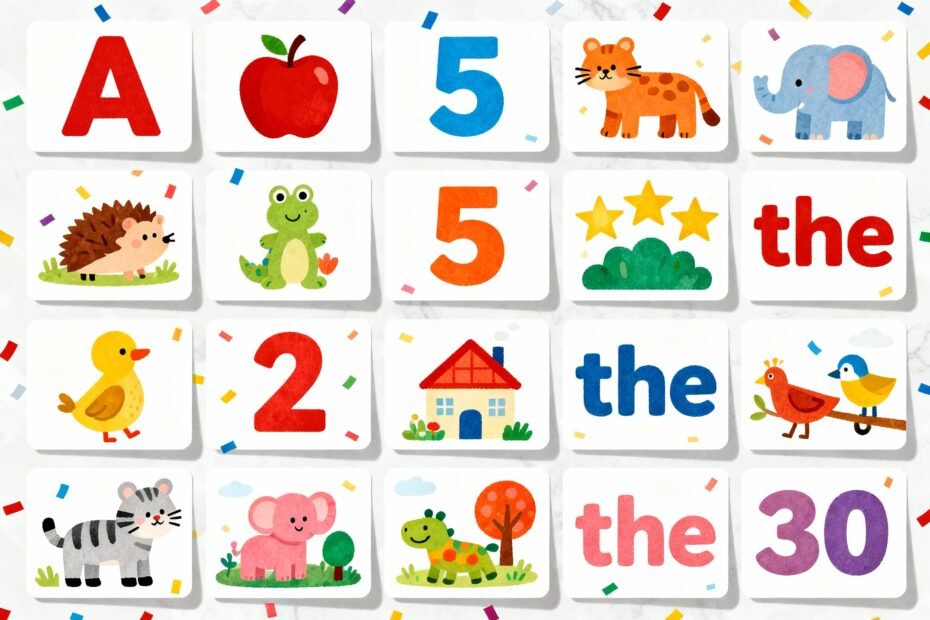
You want quick, screen-free learning that kids actually enjoy? Grab some cardstock, a marker, and a snack. DIY flashcards for letters, numbers, and sight words deliver big learning wins with tiny effort.
They’re cheap, customizable, and—FYI—way more fun than you think. Ready to make something your kid will beg to use? Let’s do it.
Why DIY Flashcards Beat Store-Bought
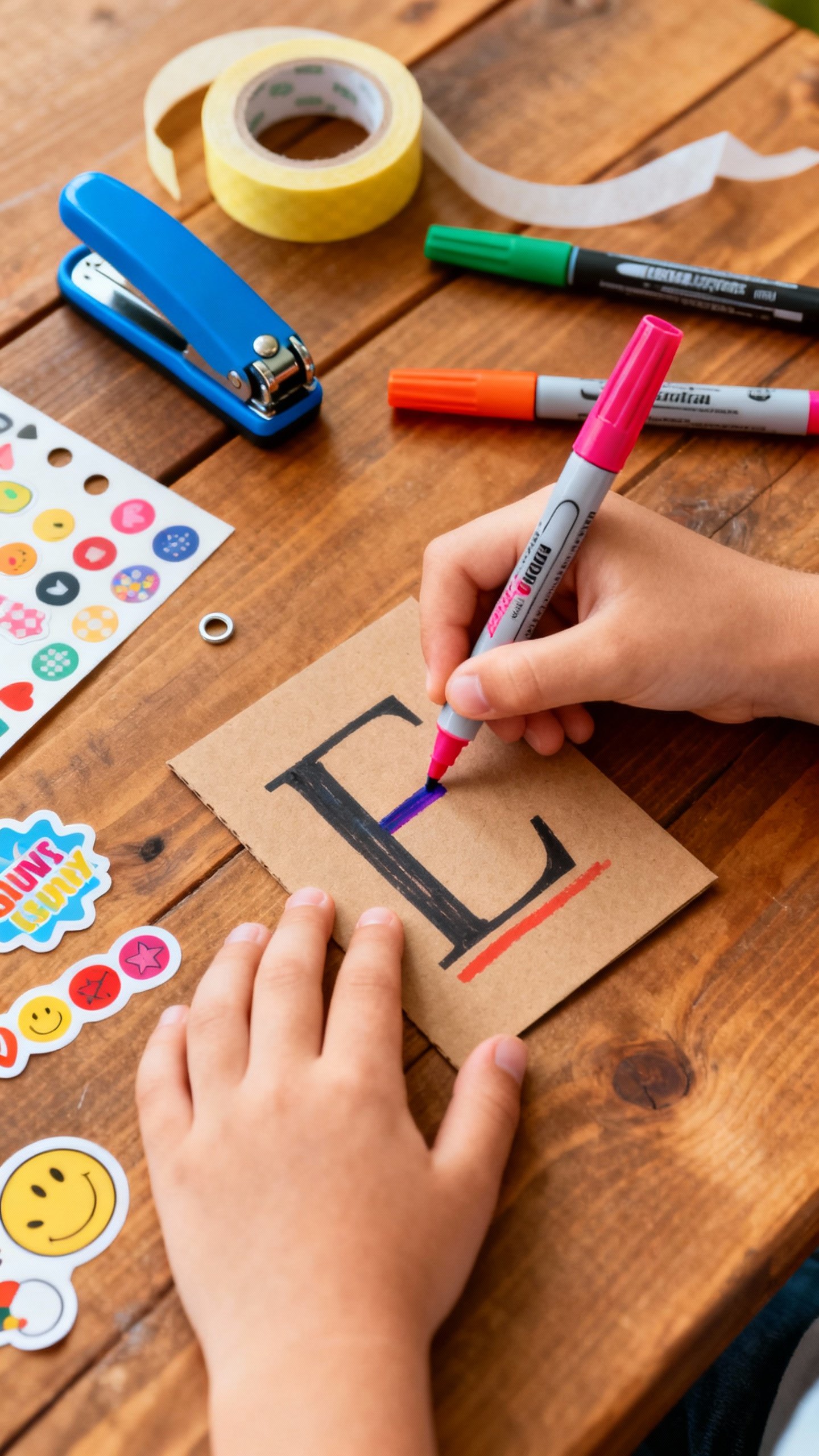
Store-bought decks look shiny, but they can’t match the personal touch.
When you tailor cards to your kid’s interests, attention sky-rockets. Think dinosaur number cards or rainbow letter sets—instant buy-in.
Plus, DIY means you control difficulty and pace. You can add visuals, change fonts, or swap out words when your kid levels up.
And IMO, nothing beats the “we made this together” pride factor.
Materials: Keep It Simple, Keep It Sturdy
You don’t need a craft store haul. You probably own most of this already. Aim for durability and bright colors to keep those little eyes engaged.
- Cardstock or index cards (3×5 or 4×6 work great)
- Permanent markers (bold colors, thick tip)
- Clear contact paper or laminator (optional but makes them last)
- Stickers or washi tape (for themes and borders)
- Hole punch + ring (turns them into a portable deck)
- Glue stick + printed pictures (for visual cues)
Pro tip: If you have a kid who loves to bend things into a taco shape, laminate.
You’ll thank me later.
Letters: Build the Foundation Without Boredom
Letters don’t have to feel like homework. Mix uppercase and lowercase, add visuals, and keep sessions short. You want quick wins and lots of repetition in different ways.
How to Make Effective Letter Cards
- Make one card per letter with uppercase on one side and lowercase on the other.
- Add a keyword and picture (A/a with an apple).
Bonus if your kid draws it.
- Use a consistent font style they’ll see in books—avoid overly fancy scripts.
Play Ideas for Letter Cards
- Letter Hunt: Hide cards around the room. Call out a sound; they find the letter.
- Sound Swap: Show “B.” Ask for the sound. Then lay out pictures—bike, cat, boat—and have them place “B” on the matching ones.
- Quick Flip: Flip cards fast and mix in “silly” letters that aren’t real.
They yell “nope!” at the fakes. Great for attention.
Numbers: From Counting to Early Math
Numbers stick when you connect symbols, quantity, and real objects. Tie it to snacks and toys, and suddenly math feels like playtime.
Yes, you can bribe with crackers. I won’t tell.
Designing Number Cards That Teach More
- Create cards for 0–20 to start.
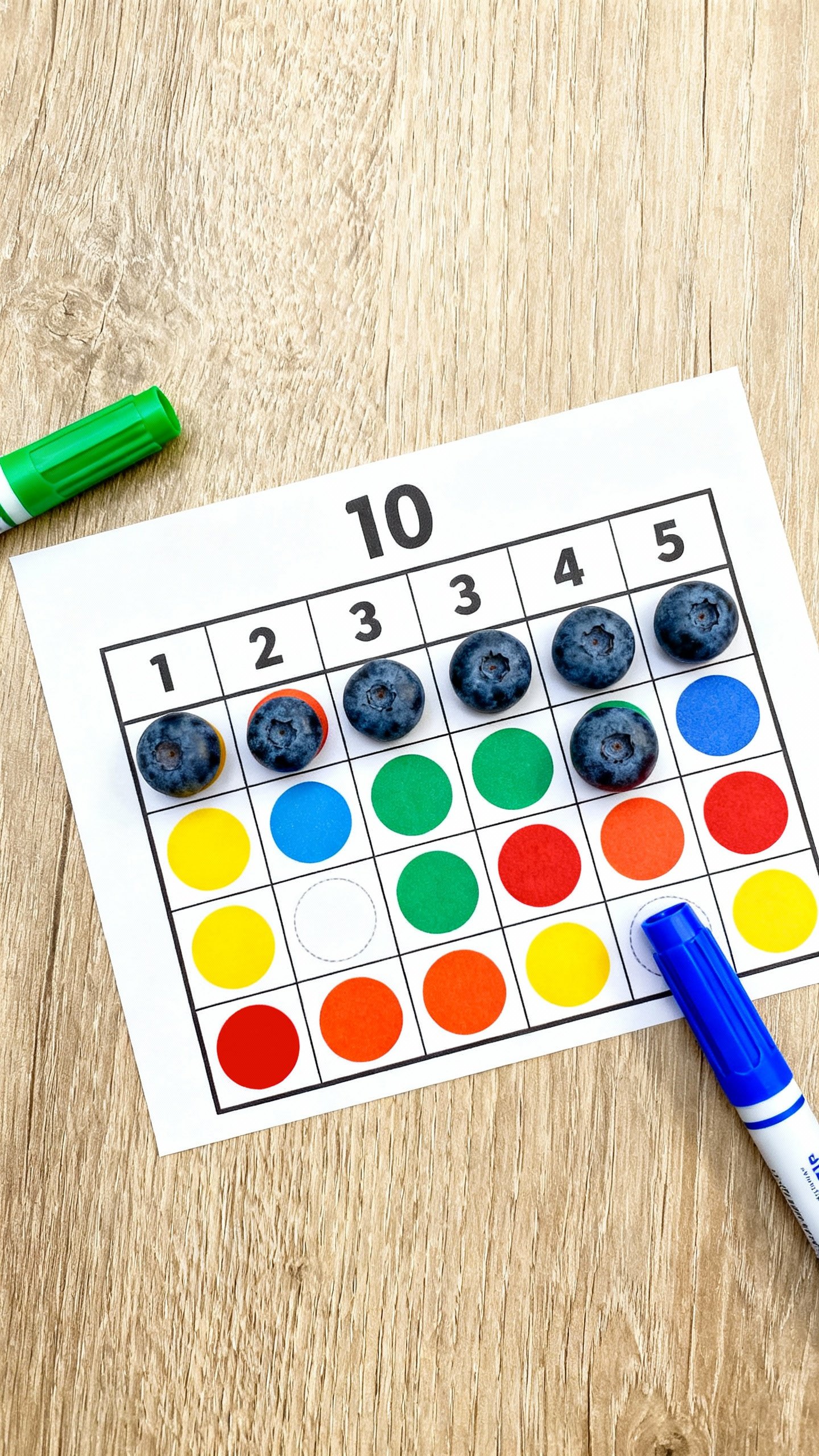
- On the front: the number in large print. On the back: dot patterns, tally marks, or ten-frame images.
- Color-code groups of five to build number sense quickly.
Games That Make Numbers Click
- Snack Math: Show “7.” Count out seven blueberries onto the card’s dots.
- Number Line Race: Lay cards in order.
Skip a few. Ask, “What’s missing?” Then sprint to find it. Yes, actual sprinting.
- Compare and Grab: Deal two cards.
They grab the bigger number. Switch roles so they deal and “trick” you.
Sight Words: Decoding’s Best Friend
Sight words pop up everywhere, and some don’t follow simple phonics rules. Flashcards help build speed and confidence.
We want recognition without sounding everything out painfully.
Which Words to Start With
- Pre-K/Kinder: a, I, the, is, to, we, you, and, it, in
- Early 1st grade: said, was, are, have, do, come, here, they, what, when
How to Make Sight Word Cards That Stick
- Write the word big and bold in lowercase.
- On the back, add a simple sentence with a picture: “We go.” Draw two stick figures walking. Nailed it.
- Group cards in sets of 10–12. Master one set before moving on.
Fast, Fun Practice Ideas
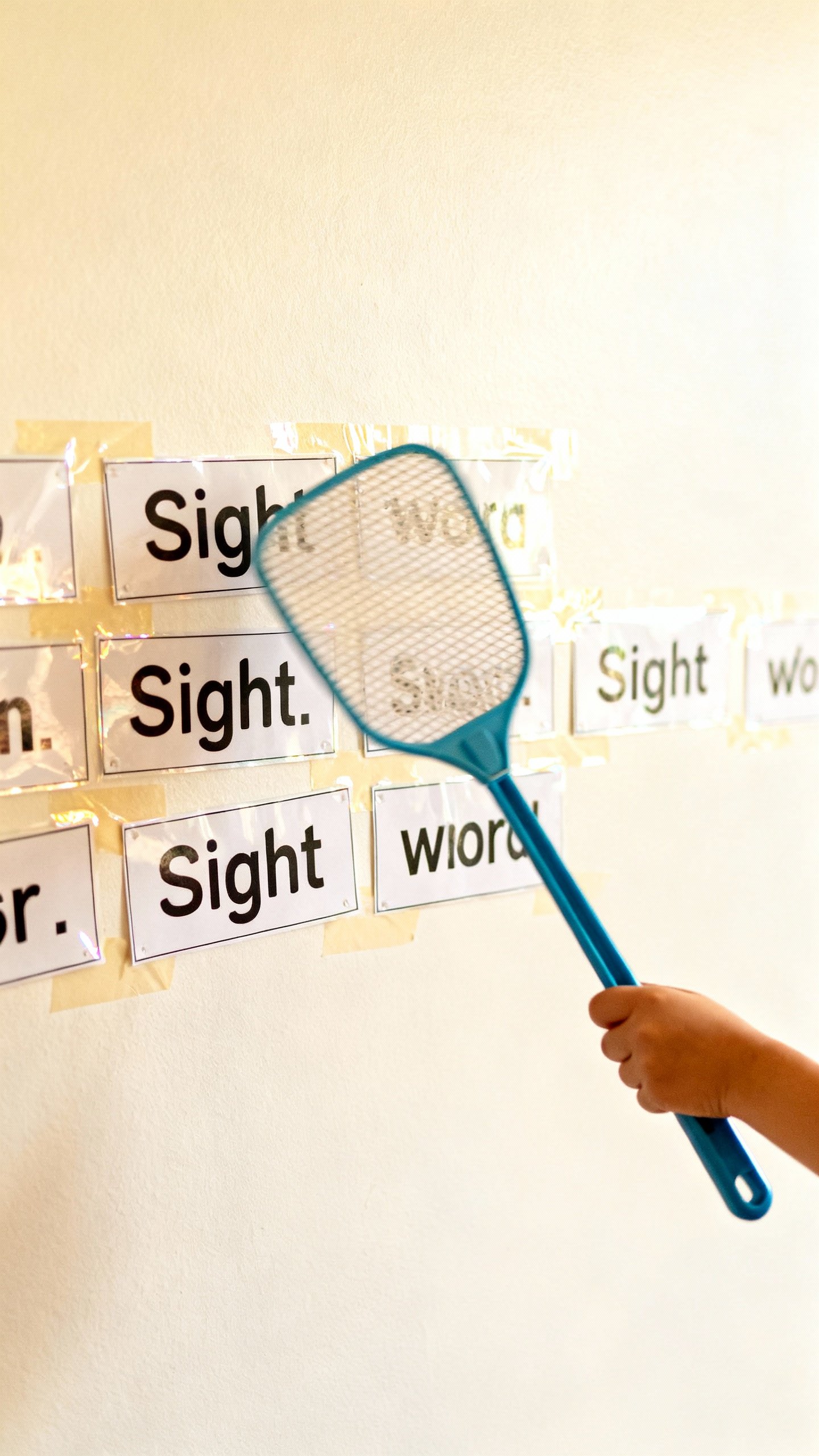
- Swat It: Tape words to the wall.
Call one out. They swat it with a fly swatter. Pure chaos.
Pure joy.
- Build It: Show a card. They build the word with letter magnets, tiles, or chalk outside.
- Speed Stack: Flip cards for 30 seconds and stack every correct read. Beat yesterday’s score tomorrow.
Make It Multi-Sensory (Because Brains Love Variety)
Kids learn faster when they see, say, hear, and touch.
Multi-sensory practice sticks—like glue on a toddler’s hands. Use different pathways to reinforce the same idea.
- Trace It: Outline letters with glue and sand. Kids trace while saying the sound.
- Move It: Assign actions to letters or words. “Jump for J,” “tiptoe for tiny words.”
- Hear It: Record yourself saying words and play a “match the card to the sound” game.
- Feel It: Use felt or foam for tactile cards.
Great for wiggly learners.
Routines That Actually Work
Flashcards flop when you overdo it. Keep it short, frequent, and fun. Think snacks and silliness, not lectures.
Daily Plan (10–12 Minutes Max)
- Warm-up (2 min): Review 5 “easy” cards for wins.
- New learning (4 min): Introduce 2–3 new letters, numbers, or sight words.
- Game time (4 min): Pick a quick game from above.
- Victory lap (1 min): Celebrate.
Sticker, high five, dramatic bow—your call.
Pro tip: Rotate cards. Keep a “mastered” pile and a “practice” pile. Retire a card only after they nail it three days in a row.
Customization: Make It Themed and Personal
Want instant motivation?
Theme the cards. Dinosaurs, unicorns, trucks, space—go wild. Just keep the text readable.
- Color code: Blue for letters, green for numbers, yellow for sight words.
- Interest hooks: Add tiny icons: a rocket on R, a cat on C.
Minimal art, maximum interest.
- Your kid’s name: Use their name across activities—count letters, spot sounds, make sentences.
FYI: If your kid loves being “the teacher,” let them quiz you. Pretend to mess up. They’ll correct you with gusto.
Troubleshooting: What If They’re Not Into It?
It happens.
No shame. Try a quick tweak instead of forcing it.
- Not engaged? Switch the activity. Movement-based games beat table time.
- Overwhelmed? Shrink the set to 5 cards and slow down.
- Perfectionist vibes? Celebrate effort, not accuracy.
Say, “You tried a new one! High five.”
- Too easy? Mix in blends (ch, sh), numbers to 30, or two-word phrases.
IMO, the goal isn’t speed. It’s confidence and consistency.
Keep it joyful and the progress will happen.
FAQ
How many flashcards should I use at once?
Start with 8–12 per session. If your kid gets frustrated, drop to 5. If they breeze through, add a couple more.
Balance challenge and success so they end strong.
What age is best for flashcards?
Age 3–7 works beautifully, but readiness matters more than age. If your child likes matching, naming, and short games, they’re ready. Adjust difficulty and keep it playful.
Do I need a laminator?
Nope.
Clear contact paper works fine and costs less. If you plan to use the cards daily or have a chew-happy toddler, laminating pays off quickly.
How do I track progress?
Use two piles: “learning” and “mastered.” Move a card to “mastered” after three correct, low-effort reads on different days. Revisit mastered cards weekly to keep them fresh.
Are digital flashcards okay?
Sure, as a backup.
But hands-on cards boost focus and reduce screen time. Plus, you can throw physical cards across the room in a game of “word dodgeball.” Please aim low.
What if my kid mixes up b/d or 6/9?
Totally normal. Add visual anchors (b has a “bat” then “ball,” d has a “drum” then “drumstick”).
Practice with arrows showing start points. Go slow and revisit often.
Conclusion
DIY flashcards turn learning into a quick, joyful habit. With a few markers and five spare minutes, you can build letter confidence, number sense, and sight word fluency.
Keep it playful, keep it short, and customize like a boss. Your kid will learn faster—and you’ll both have fun doing it.
Explore More on FreeKidsHub
Jump into your favorite category for easy printables, fun activities, and family-friendly ideas — all in one place.
Tip: Add this block to the end of every post for stronger internal links ✨