
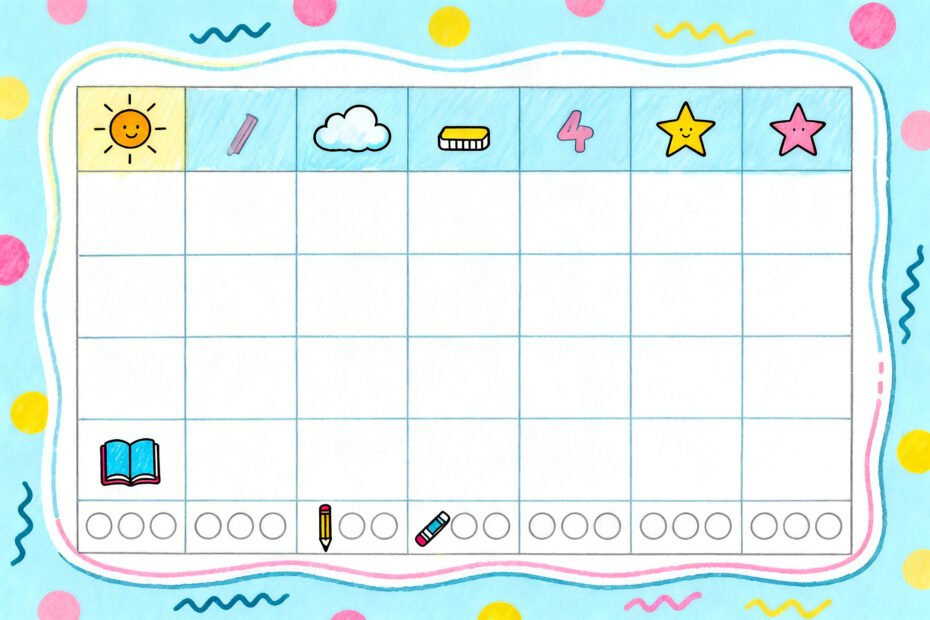
You don’t need a pricey app or a complicated system to help your kid stay on top of homework. A simple, DIY homework planner can turn chaos into “I’ve got this” in one afternoon. Bonus: kids love using tools they help create.
Ready to build a planner that actually gets used? Let’s make it fun, fast, and totally kid-proof.
Why a DIY Homework Planner Beats a Store-Bought One
Store planners look cute, then collect dust. DIY planners fit your kid’s actual life—subjects, routines, sports, meltdowns and all.
You can tweak layouts, colors, and sections until it clicks.
Plus, kids use what they create. When they design it, they own it. And FYI, you’ll save money while teaching real planning skills.
Win-win.
Pick Your Format: Paper, Binder, or Whiteboard
No one format rules. Choose what matches your kid’s style and your household’s reality. Think attention span, backpack abuse levels, and desk space.
- Spiral notebook planner: Low-cost, portable, simple.
Great for older kids who can stick to one system.
- Binder with dividers: Customizable and sturdy. Add printables, calendars, and pockets for slips and rubrics.
- Clipboard + printables: Ultra-flexible and easy to swap weekly pages. Perfect for “I like fresh starts” kids.
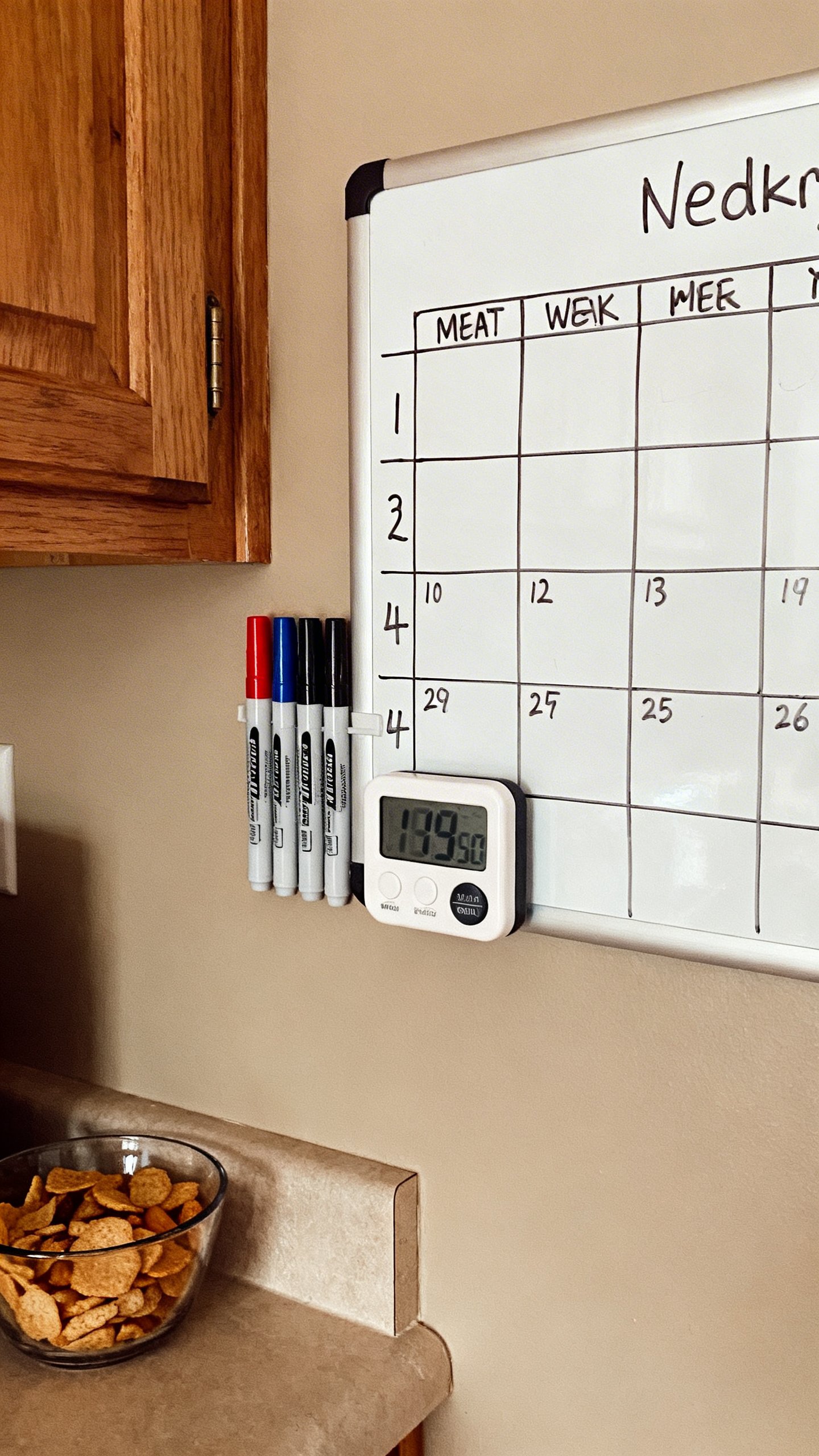
- Whiteboard or corkboard: Big-picture view for the week.
Lives in a common area so nothing “mysteriously disappears.”
Pro Tip: Combine Formats
Use a wall whiteboard for the weekly plan and a small notebook for daily details. IMO, this combo keeps everyone in the loop and still gives kids a portable tool.
Core Sections Every Kid’s Planner Needs
You don’t need a thousand trackers. Nail the basics first.
Add bells and whistles later if needed.
- Weekly Overview: A snapshot of assignments, tests, and activities Mon–Sun. Keep it front and center.
- Daily Task List: Space for subjects, specific tasks, and checkboxes. Kids love checking boxes.
It’s science. (Kind of.)
- Due Dates + Upcoming: A small area to note projects and test dates 1–3 weeks out.
- Materials Needed: A quick list so no one scrambles for glue sticks at 9:47 PM.
- Wins + Notes: Room to celebrate small wins or jot reminders. Confidence matters.
Optional Add-Ons
- Reading Log: Title, pages, minutes, short reaction.
- Parent–Teacher Messages: A shared space to communicate without lost slips.
- Habit Trackers: For consistent things like “read 20 minutes” or “practice math facts.”
Build-It Guide: Step-by-Step
- Choose your base. Binder, notebook, clipboard, or board. Keep it kid-approved and durable.
- Print or draw templates. Make a weekly overview page and a daily page.
Use bold headers, lines, and boxes. Big fonts = less squinting.
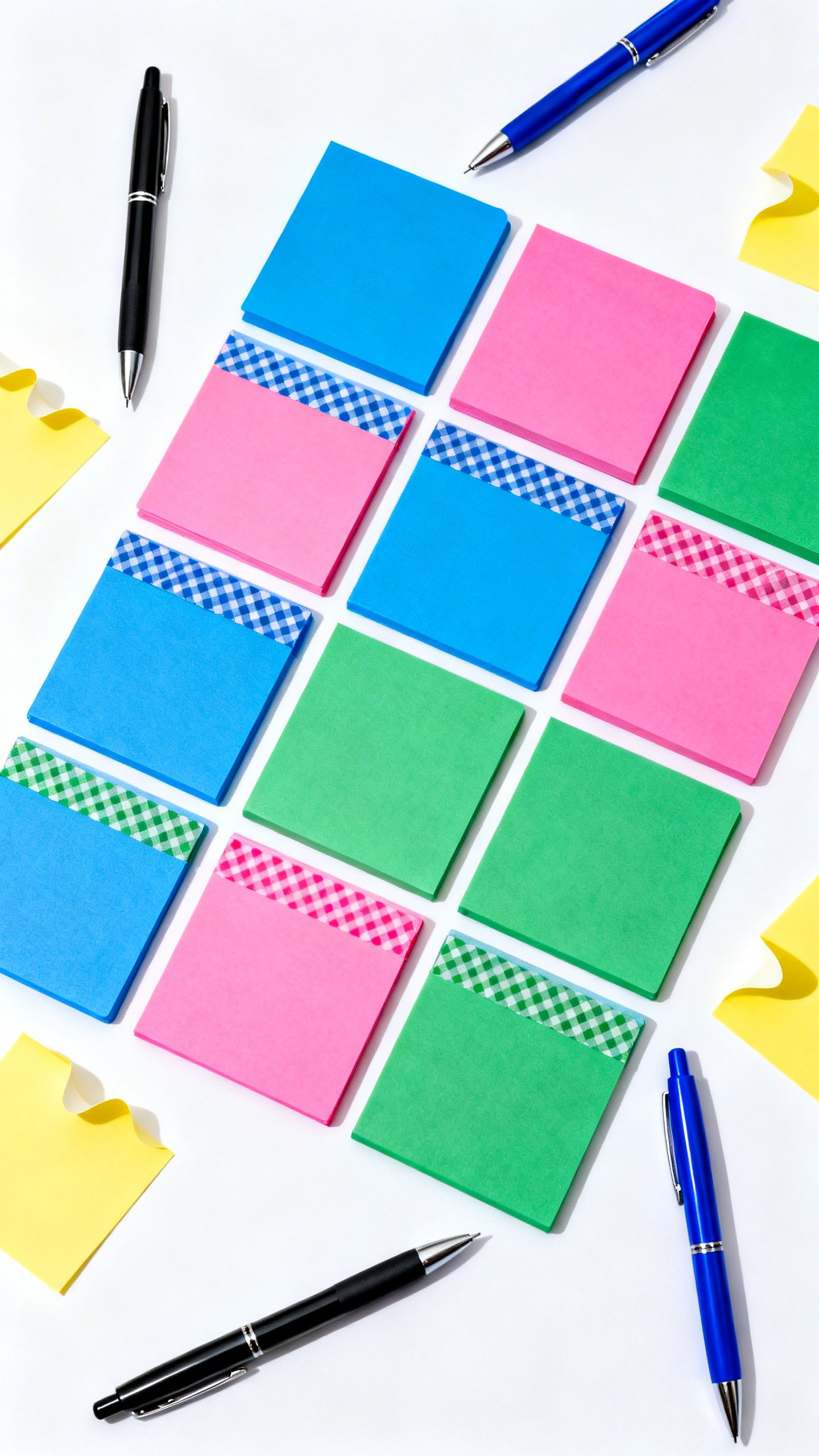
- Add dividers or tabs. Create sections: Weekly, Daily, Projects, Reading, Notes. Use washi tape or sticky tabs to color-code by subject.
- Make it visual. Add icons for each subject: book for ELA, beaker for science, ball for PE.
Visual cues speed up scanning.
- Include a quick key. Define simple symbols like • assigned, → moved to tomorrow, ★ priority, ☑ done. Keep the key on the inside cover.
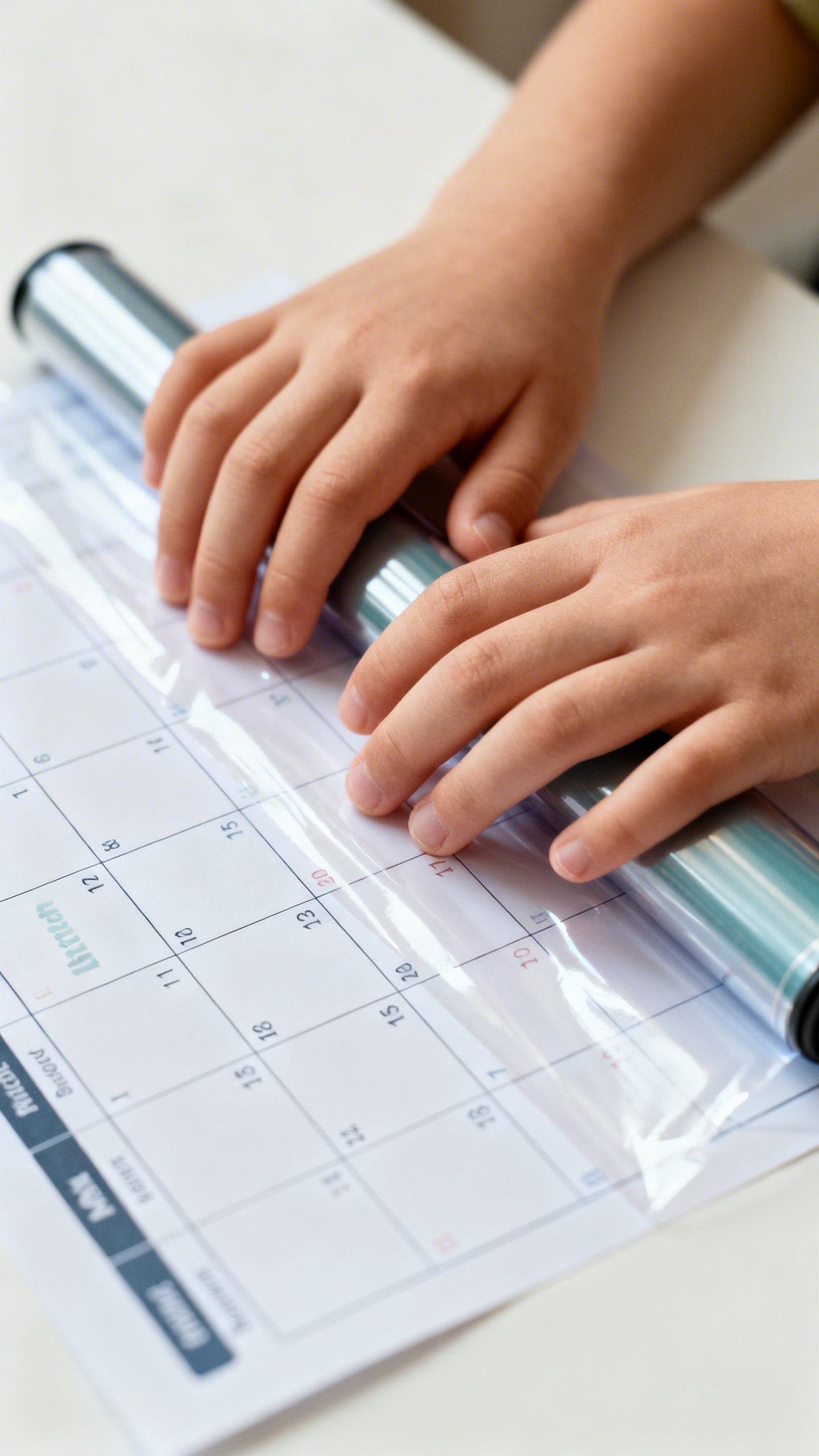
- Laminate frequent-use pages. Laminate the weekly page and use dry-erase markers. Reuse it every week, save paper, feel clever.
- Stock tools. Pencils, colored pens, sticky notes, highlighters, paper clips, and one dramatic “Emergency Snack.”
Layout That Actually Works
- Top row: Today’s top three tasks.
Keep it visible. If nothing else happens, these do.
- Middle: Subject-by-subject list with checkboxes and time estimates (10–20–30 minutes).
- Bottom: Notes, materials, and a tiny “How did I do?” emoji for quick reflection.
Make It Stick: Routines That Build Momentum
Even the best planner flops without routines. Keep it simple and consistent.
- After-school 5-minute scan: Fill in today and tomorrow.
Add tests or project steps.
- Homework block: Short sprint, quick break, repeat. Timebox with a timer. Kids focus better with clear start/stop points.
- End-of-day check: Tick boxes, pack materials, star one win.
Confidence boost unlocked.
- Sunday reset: Fill the weekly view, note activities, set top three for Monday. FYI, snacks help cooperation. A lot.
Color-Coding That Isn’t Chaos
- One color per subject: Blue = Math, Green = Science, Red = ELA, Purple = History, etc.
- Yellow highlighter: Due today or tomorrow.
Instant urgency cue.
- Orange: Needs parent signature or materials.
Turn Big Projects Into Bite-Size Wins
Kids dread projects because they look huge. Break them into tiny, doable steps and schedule them across days.
- Define the goal: Example: “Science poster on ecosystems.”
- Chunk it: Research, outline, draft, images, final copy, practice.
- Assign days: Put each chunk on the planner with realistic times.
- Pre-pack materials: List what’s needed on the Materials section before the work session.
- Review checkpoints: Midweek check to adjust if soccer eats Wednesday.
Mini-Deadlines Kids Understand
Use clear language like “Finish outline by Tuesday” and add a ★ next to it. Add a small reward: extra story time, picking dessert, or 10 chill minutes with their favorite game.
IMO, tiny rewards beat big bribes every time.
Motivation Without Nagging (Mostly)
Kids don’t need speeches. They need feedback and small wins. Make the planner part of that loop.
- Celebrate green days: If everything’s checked, add a sticker.
Five stickers = choose a weekend activity.
- Use time estimates: Let them predict: “Math 15 minutes?” Then compare. They’ll learn to plan realistically.
- Reflect fast: One sentence: “What helped today?” Answers like “quiet room” or “timer” teach strategy, not just willpower.
- Normalize shifting: If life happens, move tasks with an arrow and reschedule. No shame, just plan again.
Common Pitfalls (And How to Dodge Them)
- Too many sections: If pages take longer than homework, trim them.
- Tiny text: Big boxes > microscopic grids.
If they can’t read it, they won’t use it.
- No visibility: Keep the planner where work happens. Out of sight = out of mind = “Wait, we had math?”
- Parent-owned system: Let kids write, decorate, and decide symbols. Ownership builds follow-through.
FAQ
How do I get my kid to actually use the planner?
Build it together, keep it simple, and tie it to a short routine: five-minute setup after school and a quick check before bed.
Add small rewards for consistent use and let them personalize it so it feels like their tool, not your homework surveillance device.
What age should kids start using a planner?
Start as early as grades 1–2 with picture icons and just three boxes: “Do,” “Pack,” and “Tomorrow.” By grades 3–5, add subjects and due dates. Middle schoolers can handle projects, test schedules, and time estimates. Scale complexity with their independence.
Paper or digital—what’s better?
Whichever one your kid will stick with.
Paper wins for younger kids because it’s tactile and visible. Digital can work for older kids who already use school portals. You can even hybrid it: wall whiteboard for weekly plans plus digital reminders for tests.
How do we handle missed tasks without drama?
Use the arrow system to move it and schedule a catch-up block.
Ask, “What blocked you?” Then adjust: shorter work sprints, quieter space, or clearer steps. Treat it like a science experiment, not a moral failure.
How much should parents be involved?
Guide at setup, sit nearby for early use, and fade support as they build skill. Do quick checks during the Sunday reset and before big projects.
The goal: your kid runs the planner, you just coach from the sidelines.
Any quick hacks for busy weeks?
Yes: Top-3 list daily, pre-pack the backpack right after homework, batch similar tasks (all reading, then all worksheets), and use a single color for urgent items. If everything’s on fire, cut non-essentials for a few days and protect sleep—brains need rest to remember anything.
Conclusion
A DIY homework planner doesn’t need to be fancy to work. Keep it kid-driven, visible, and simple, and back it with small, consistent routines.
You’ll see fewer “I forgot” moments and more “I finished!” ones. And hey, if a few stickers and highlighters get us there, I’m not judging—FYI, they work.
Explore More on FreeKidsHub
Jump into your favorite category for easy printables, fun activities, and family-friendly ideas — all in one place.
Tip: Add this block to the end of every post for stronger internal links ✨