
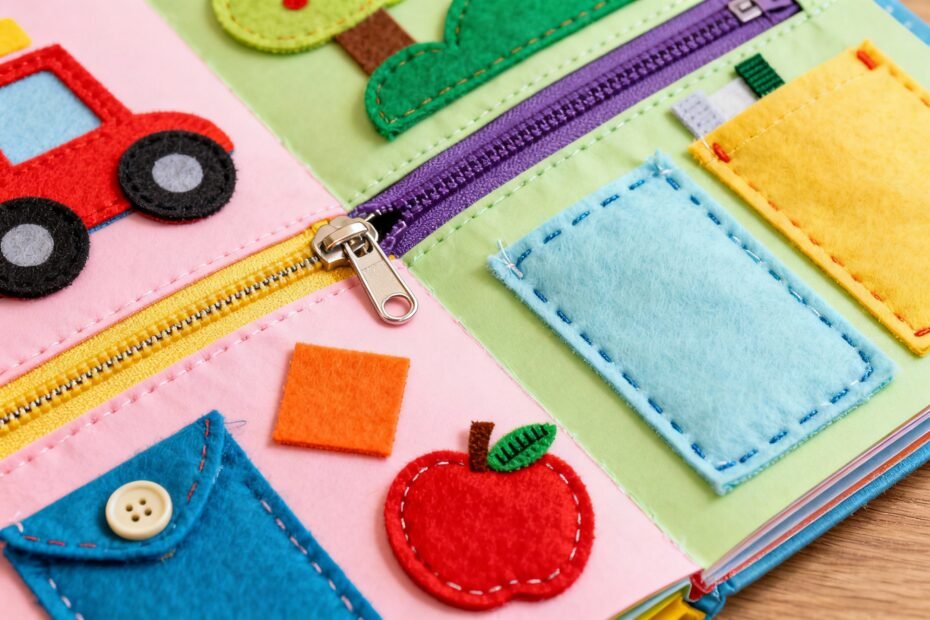
Your preschooler’s hands move faster than your coffee cools, and the toy rotation feels like a part-time job. Busy books to the rescue. These DIY activity pages keep little fingers engaged and curious brains buzzing—without a screen in sight.
Ready to make one that survives snack crumbs and toddler enthusiasm? Let’s build pages your kid will love and you’ll actually enjoy making.
Why Busy Books Work (And Why Your Kid Will Actually Use Them)
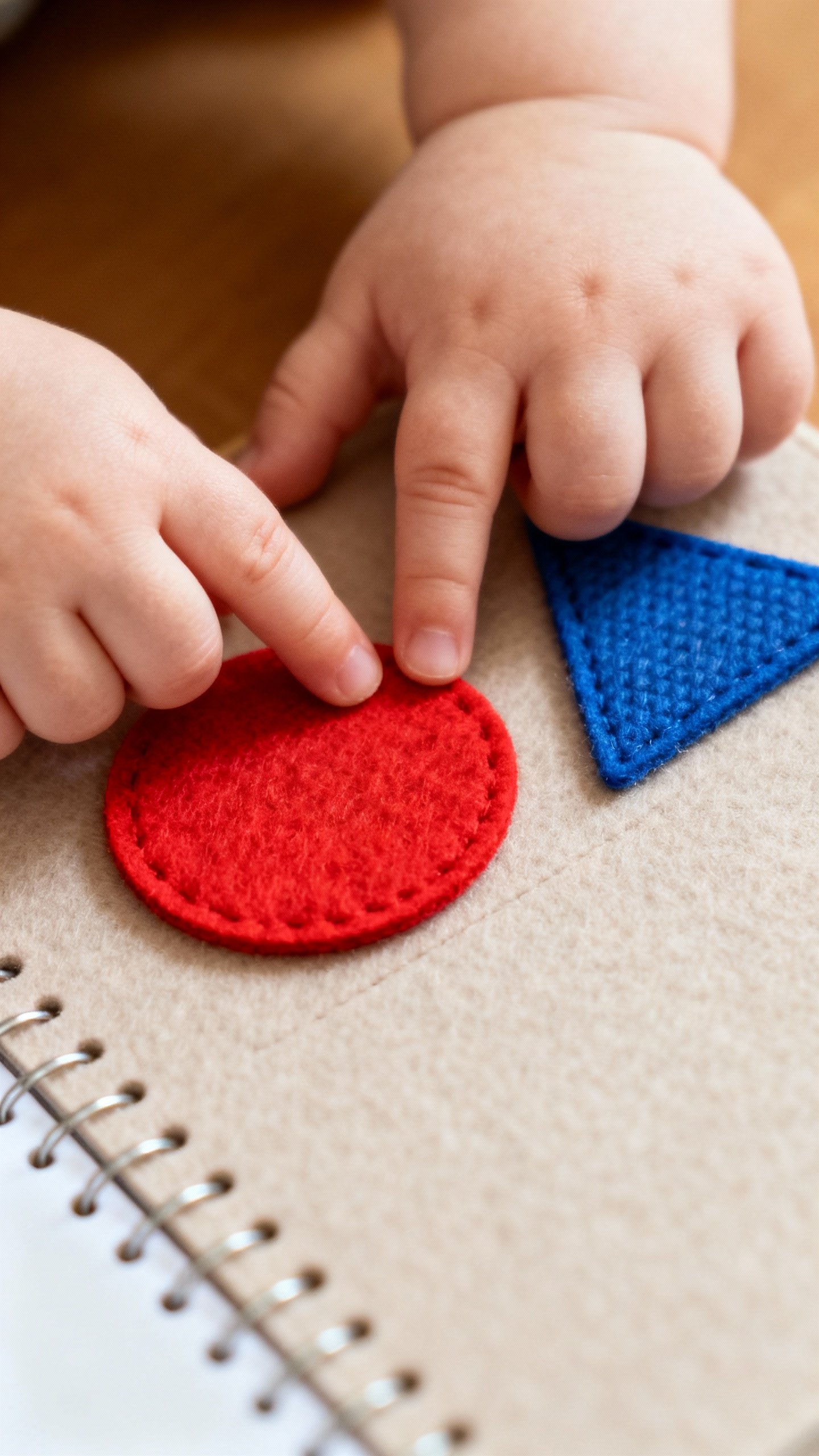
Busy books hit the sweet spot: hands-on play that sneaks in learning. Little kids crave repetition, textures, and simple challenges.
Busy book pages deliver all of that in a neat, portable package. You also control the chaos. You choose the skills, the themes, and the materials.
FYI, you can tweak everything as your child grows—swap a shape-matching page for a basic counting page, and the book evolves with them.
Gear You’ll Need (Nothing Fancy, Promise)
Keep it simple. You can make awesome pages with affordable supplies.
- Base pages: Felt sheets, sturdy cardstock laminated, or fabric squares
- Binding: Binder rings, a three-ring binder, or ribbon
- Adhesive: Hot glue, fabric glue, or sew if you’re feeling ambitious
- Closures and fasteners: Velcro dots, zippers, snaps, buttons
- Bits and bobs: Ribbon, yarn, pom-poms, foam shapes, beads (oversized), craft sticks
- Tools: Scissors, hole punch, ruler, marker, optional laminator
Safety First, Craft Later
Keep all pieces large enough to avoid choking hazards. Secure everything like a dragon guards treasure.
If you use beads or buttons, sew them on tightly or avoid them until your child stops mouthing everything in sight. IMO, felt and Velcro are the MVPs for durability and safety.

Page Ideas That Kids Can’t Resist
You don’t need 20 pages. Start with 4–6 high-impact activities.
Rotate later to keep things fresh.
1) Shape Match-Up Page
Cut felt shapes (circle, square, triangle, star) and stick Velcro on the backs. Outline each shape on the base page so kids can match them. Add color names for a sneaky vocabulary boost.
- Skills: Shape recognition, colors, fine motor
- Upgrade: Add “big/small” versions for size sorting
2) Zipper Garden
Sew or glue zippers horizontally.
Above each, add a felt flower or vegetable. Kids unzip to “pick” the item and zip it back in. Bonus points if you add little felt leaves that lift up.
- Skills: Practical life skills, hand strength, sequencing
- Upgrade: Use different zipper sizes and colors for extra challenge
3) Weather Wheel
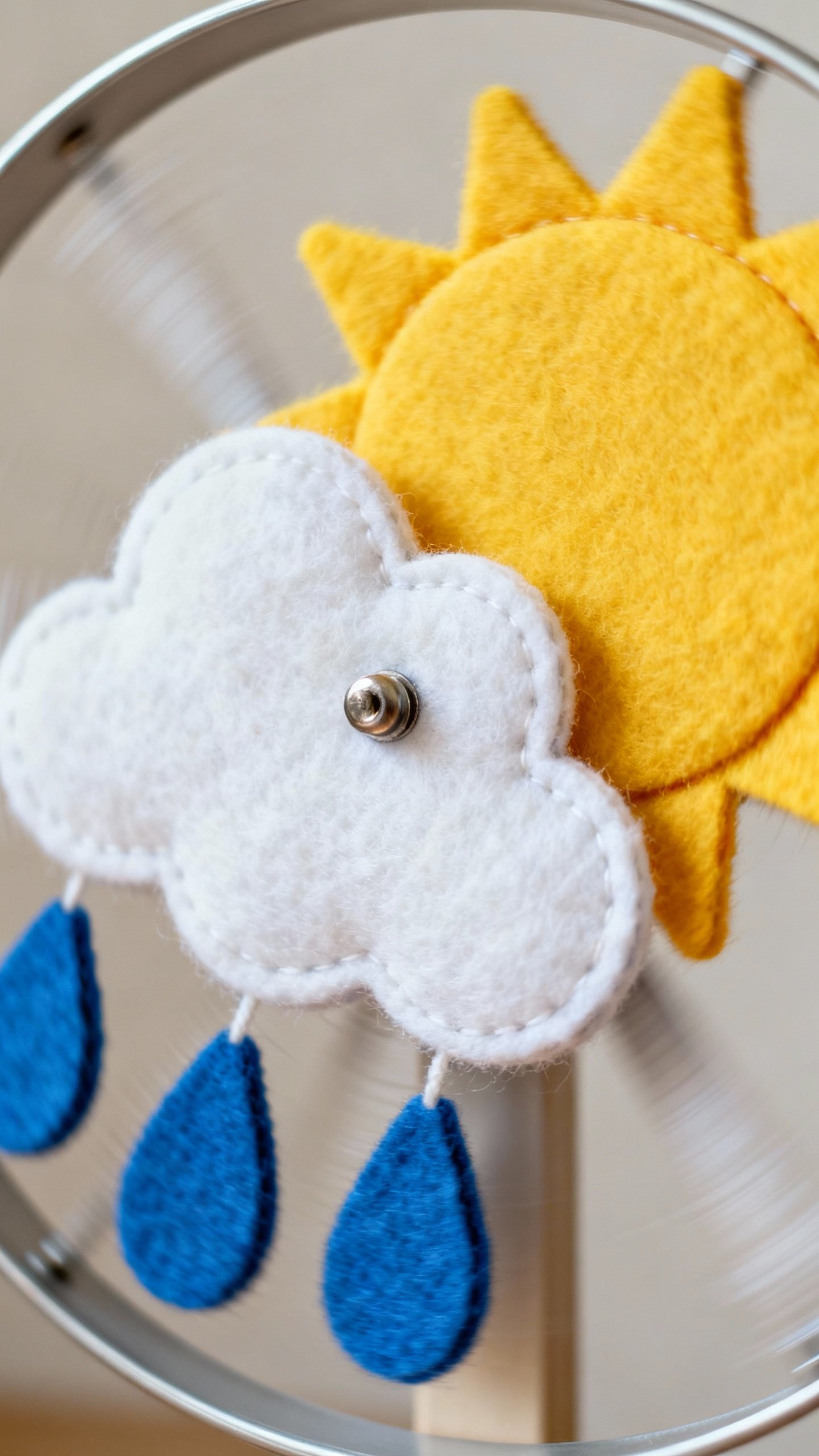
Make a spinning wheel with weather icons: sunny, rainy, cloudy, snowy, windy.
Attach with a brad fastener. Add a pocket to hold felt weather props like a tiny umbrella or sun.
- Skills: Vocabulary, daily routines, decision-making
- Upgrade: Include a “What should we wear?” mini page with Velcro clothes
4) Button Snake Patterning
Thread a large button onto ribbon. Create felt squares with buttonholes.
Kids button squares onto the ribbon to make patterns (red-blue-red-blue).
- Skills: Patterns, dexterity, focus
- Upgrade: Add simple pattern cards to copy
5) Counting Balloons
Draw or glue balloons numbered 1–5. Attach strings (yarn) with Velcro tips. Kids match the number of strings to each balloon.
- Skills: Counting, one-to-one correspondence, number recognition
- Upgrade: Use loose pom-poms as “balloons” to place in numbered pockets
6) Animal Homes Lift-the-Flap
Create simple habitats (nest, cave, pond) with flaps.
Hide felt animals underneath. Ask, “Where does the frog live?” and let your kid reveal it.
- Skills: Science basics, matching, language
- Upgrade: Add labels for early readers
7) Traffic Light Stop & Go
Add three Velcro circles for red, yellow, green. Kids place felt “lights” in order.
Add a small road strip with a car they can move along.
- Skills: Sequencing, colors, following directions
- Upgrade: Include simple prompts like “Stop. Jump three times. Go!”
Design Tips So Your Pages Don’t Fall Apart
You want charm and durability.
You can have both.
- Anchor high-use parts: Stitch or double-glue zippers, buttons, and Velcro.
- Use contrast: Bright colors and clear outlines help preschoolers focus.
- Limit clutter: 1 main task per page keeps kids from getting overwhelmed.
- Make pieces tethered: Attach loose items with ribbon so they don’t disappear under the couch forever.
- Laminate paper elements: If you don’t use felt, laminate to toddler-proof.
Theme It Up
Pick a theme your child obsesses over—farm, space, ocean, construction. Then swap in matching activities:
- Space: Shape rockets, number stars, zipper “astronaut suit”
- Farm: Animal homes, counting eggs, button fence
- Construction: Tool matching, color trucks, Velcro road signs
Make It: Step-by-Step Workflow
You can batch this in a single naptime if the universe cooperates.
- Plan 4–6 pages. Sketch simple layouts. Decide skills you want: colors, counting, fine motor.
- Cut base pages. Aim for a consistent size (8×10 or binder-friendly).
- Create pieces. Cut shapes, sew buttonholes, prep Velcro bits.
- Assemble securely. Glue or stitch, then tug-test like a tiny Hulk will use it (because they will).
- Punch holes and bind. Use binder rings so you can rearrange or swap pages.
- Label and store. Zip pouch for loose parts, or tether them to pages.
Time-Saver Hacks
- Trace cookie cutters for perfect shapes.
- Buy pre-cut felt shapes and add Velcro.
Zero shame.
- Repurpose old clothes for zippers and buttons—budget win.
Learning Goals Without the Boring Vibes
Your busy book can target real skills while still feeling like play.
- Fine motor: Zippers, snaps, laces, buttoning
- Math: Counting, sorting, simple patterns
- Language: Vocabulary, categories, storytelling prompts
- Life skills: Dress practice, order of operations (first zip, then snap)
- Self-regulation: Calm focus, turn-taking if you play together
Play Prompts
Use quick prompts to stretch learning:
- “Find three blue shapes.”
- “Make a weather forecast for today.”
- “Can you make a red-yellow pattern?”
- “Where does the bear sleep? Why?”
IMO, 2–3 minutes of guided play up front buys you 10–15 minutes of independent play later.
Storing, Cleaning, and Keeping the Peace
Preschoolers specialize in chaos. Your busy book doesn’t have to.
- Storage: Keep the book and extra pieces in a zipper pouch or clear bin.
- Cleaning: Spot clean felt with a lint roller or slightly damp cloth.
Laminate pages wipe clean easily.
- Rotation: Swap 1–2 pages weekly to keep it “new.”
- On-the-go: Make a mini travel version with 2–3 pages for the car or waiting rooms.
FAQs
How old should my child be for a busy book?
Most kids engage around 2–5 years, but you can adapt pages for younger toddlers with bigger, simpler pieces. Start easy and add complexity as attention and fine-motor skills grow.
What materials are safest?
Use felt, fabric, and sturdy laminated cardstock. Choose large pieces, avoid small detachable parts for kids who still mouth objects, and anchor hardware like buttons or snaps very securely.
When in doubt, skip it or tether it.
Do I need to sew everything?
Nope. Hot glue and fabric glue handle most tasks. Sewing boosts durability for high-stress parts like zippers and buttons, but you can survive with glue-only pages, especially if you reinforce and test them.
How many pages should I start with?
Start with 4–6 pages.
That avoids overwhelm and gives you room to rotate new pages later. Watch which ones your child loves, then make variations on those.
How do I keep my kid from losing pieces?
Tether loose items with ribbon, add labeled pockets, and store extras in a zip pouch clipped to the binder rings. Also, establish a “busy book cleanup” routine—short, sweet, and consistent.
Can I make a book that grows with my child?
Absolutely.
Use binder rings so you can add pages. Start with colors and shapes, then add counting, patterns, simple mazes, and early letters. You can even include dry-erase sleeves for tracing.
Conclusion
DIY busy book pages don’t need Pinterest perfection to work.
Keep it sturdy, simple, and tailored to what your kid actually likes. Mix a few fine-motor challenges with playful themes and you’ve got a screen-free win. FYI, once you see the quiet focus face, you’ll make a second set—one for home, one for the car.
Explore More on FreeKidsHub
Jump into your favorite category for easy printables, fun activities, and family-friendly ideas — all in one place.
Tip: Add this block to the end of every post for stronger internal links ✨