

Meltdowns happen. Big feelings erupt. You want to help your kid regulate without turning into a human thunderstorm siren yourself.
Enter: the calm-down box—a simple, portable toolkit that helps kids reset when the emotional volcano starts bubbling. No fancy gadgets required, no Pinterest-perfect expectations. Just practical, sensory-rich items that help little nervous systems chill.
What Is a Calm-down Box, Really?
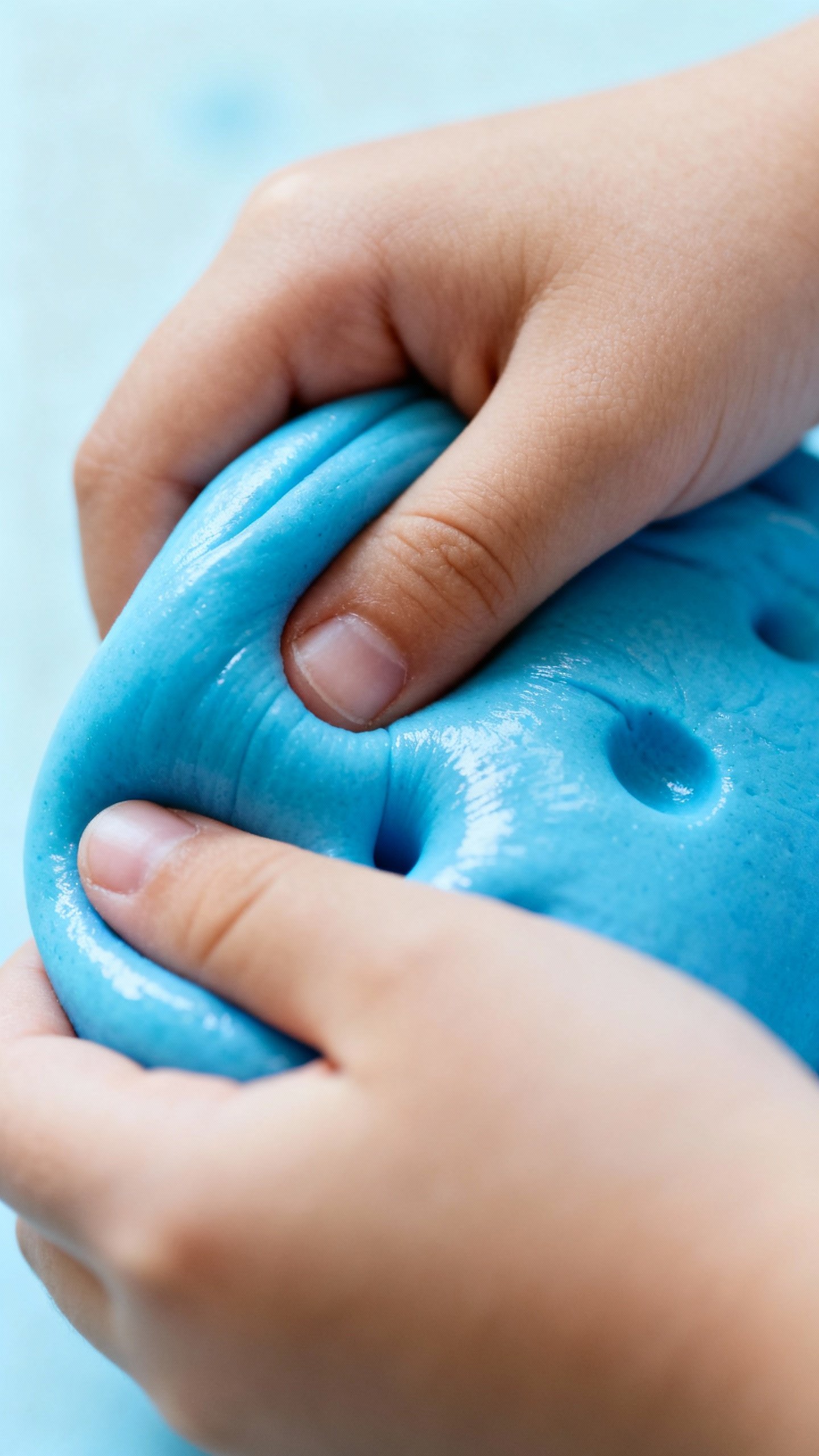
A calm-down box is a stash of tools your kid can pull out when they feel overwhelmed.
Think of it like a first-aid kit for emotions. It gives them choices and control, which already lowers stress. You’re not bribing or distracting your kid.
You’re teaching them skills to regulate and recover. That’s huge for confidence and independence.
Why It Works (And Why Kids Actually Use It)
When kids feel dysregulated, their brains crave sensory input and predictable routines. A calm-down box serves both.
It offers concrete tools that soothe sight, sound, touch, smell, and movement. Plus, the box gives them something to do. When kids have a plan, they feel safer.
And when they feel safer, they calm faster. FYI, grownups work the same way—ever watch someone stress-clean a kitchen?
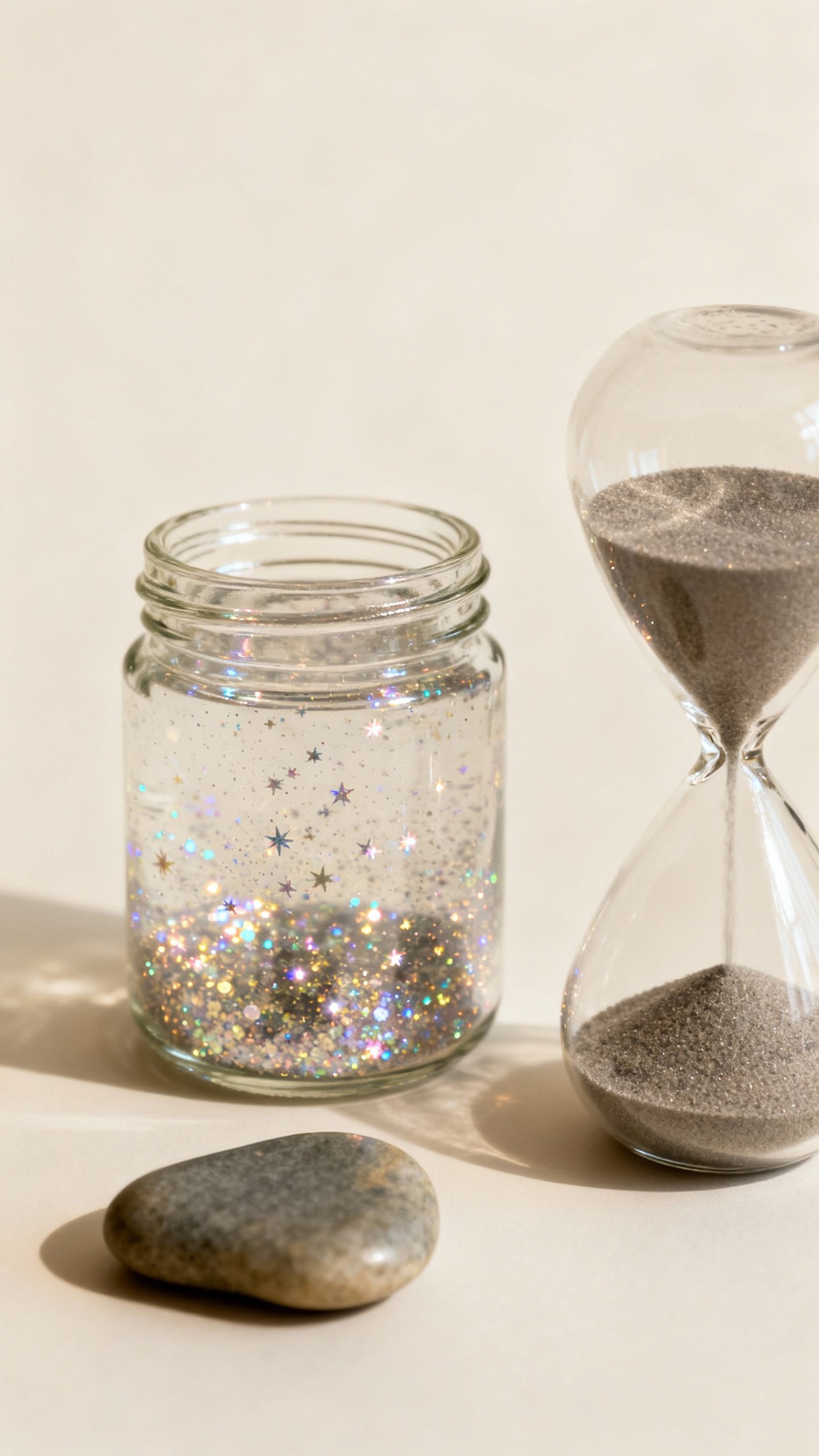
Build Your Box: The Essentials
Start simple. Aim for 6–10 items your child actually likes.
Test, rotate, experiment. The goal: options without overwhelm.
- Something to squeeze: Stress ball, therapy putty, squishy toy. Squeezing resets tension fast.
- Something to fidget with: Pop tubes, fidget spinner, marble mesh, tangle toy.
Keep hands busy, mind calmer.
- Something soft: Small plush, textured fabric square, velvet ribbon. Comfort matters.
- Something grounding: Smooth stone, worry stone, weighted bean bag. Solid textures = solid feelings.
- Something visual: Glitter jar, liquid motion timer, kaleidoscope.
Watching flow slows breathing.
- Something for smell: Lavender sachet, scented stickers, unscented for sensitive noses. Keep it subtle.
- Something for sound: Mini chime, quiet music player with headphones. Soft sound cues nervous systems to settle.
- Something for breath: Pinwheel, bubble wand, feather.
Exhale long, watch the movement—instant biofeedback.
- Something for expression: Small notebook, crayons, emotion cards. Draw it out, name it, shrink it.
Pro Tip: Keep It “Goldilocks”
Not too many items (overwhelm), not too few (boredom). IMO, 8–10 is the sweet spot.
If you need more, rotate monthly.
Customize It for Your Kid
Every kid has a flavor of calm. Build around that.
- Movement seekers: Include a resistance band, yo-yo, or small slinky. Add a “10 wall pushes” card.
- Sensory avoiders: Choose soft, quiet items.
Skip strong scents and loud toys.
- Creative kids: Add mini watercolor pens, stickers, origami papers, dot markers.
- Rule followers: Include a short “how to use” card with steps and pictures.
- Anxious kids: Include affirmation cards, photo of a safe person, or a familiar note from you.
Age Tweaks
- Toddlers: Big, safe items. Textured balls, board book, chunky crayons, soft cloths.
- Early elementary: Fidgets, timers, calm cards, kinetic sand (in a secure container!).
- Tweens: Journal, gel pens, worry stone, earbuds with a chill playlist, grounding scripts.

Make It Easy to Use (So They Actually Use It)
Your calm-down box shouldn’t feel like detective work. Keep it clear, reachable, and predictable.
- Pick a container: Clear shoebox, handled bin, or soft pouch.
Label it with their name or a fun sticker.
- Choose a spot: Create a cozy corner with a pillow and soft light. The box lives there.
- Add a visual menu: A simple card with pictures: “Squeeze,” “Breathe,” “Watch,” “Draw,” “Stretch.”
- Teach the routine: Practice when everyone’s calm. Role-play it.
Keep it short and upbeat.
Sample Calm Routine (3–5 Minutes)
- Pick one tool.
- Do it for 60–90 seconds (use a sand timer or set a quiet timer).
- Check in: “Better, same, or worse?”
- Repeat or switch tools. Then rejoin activity when ready.
Script It (Because Words Disappear During Meltdowns)
Kids can’t recall language when dysregulated. Simple scripts help.
- For you: “I see big feelings.
Let’s try your calm box. You pick first.”
- For them: “I’m choosing squeeze,” “I need quiet,” “Timer, please.”
- Repair after: “You noticed your body and used a tool. That’s strong.”
When They Refuse the Box
Offer choices. “Calm box or three wall pushes?” Control-based invites work better than demands.
And if they say no? You model. Pick up the feather, take three slow breaths, and narrate: “My body is calming.”
Maintenance: Keep It Fresh Without Going Broke
You don’t need TikTok-famous gadgets.
You need consistency and novelty in small doses.
- Rotate monthly: Swap 2–3 items. Keep trusted favorites.
- DIY wins: Rice sock (microwavable), glitter bottle, homemade playdough, origami stars.
- Set boundaries: Calm box = calm time. Not an every-minute toy stash.
- Check for overstimulation: If your kid ramps up, remove noisy or flashy items.
Common Mistakes (So You Can Skip Them)
- Waiting for a meltdown to introduce it: Teach it when they’re calm.
Practice like it’s a game.
- Making it a punishment: “Go to your calm box!” Nope. Offer it, don’t exile them with it.
- Overstuffing: More options = decision paralysis. Keep it lean.
- Forgetting ownership: Kids should help pick items.
Buy-in matters.
FAQs
How old should my child be to use a calm-down box?
You can start in toddlerhood with safe, chunky items and simple routines. Younger kids need more modeling and shorter sessions. Older kids and tweens use it more independently with written prompts and timers.
What if my child uses it as an excuse to avoid tasks?
Set clear boundaries.
Allow short, timed breaks with the box, then return to the task. Pair it with a “first-then” plan: “First calm box for 3 minutes, then homework for 10.” Consistency beats debates.
Do I need a separate box for school?
If the school allows it, yes, a mini version helps. Keep it quiet and teacher-friendly: stress ball, pencil toppers, laminated breathing card, and a small sand timer.
Coordinate with the teacher so everyone’s on the same page.
What if the items stop working?
Totally normal. Kids grow; senses change. Rotate items, adjust routines, and ask your child what helps now.
Track wins: “You calmed fastest with the timer and putty—let’s keep those.”
Can this replace therapy?
No. A calm-down box supports regulation; it doesn’t treat underlying anxiety, ADHD, trauma, or sensory differences. If big feelings disrupt daily life, talk to a pediatrician or therapist.
Tools + support = best results, IMO.
How many times a day is too many?
If your child uses it constantly, they might avoid demands or feel overloaded. Short, timed visits are fine. If constant use continues, tweak tasks, reduce sensory load, or consult a pro for strategies.
Final Thoughts
You don’t need perfection—you need a plan your kid will actually use.
Build a simple calm-down box, teach it during quiet moments, and keep it flexible. The box won’t erase big feelings, but it will give your child a way through them. And honestly?
That’s the real win.
Explore More on FreeKidsHub
Jump into your favorite category for easy printables, fun activities, and family-friendly ideas — all in one place.
Tip: Add this block to the end of every post for stronger internal links ✨