
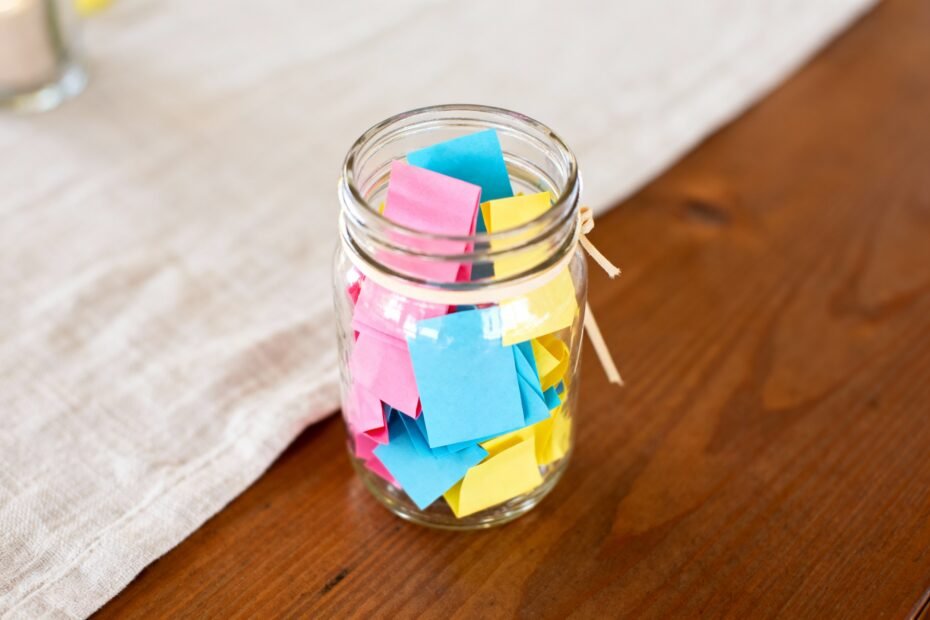
Summer break hits, the kids cheer, and your brain whispers, “Now what?” You want simple, screen-free fun that doesn’t require a second mortgage or a Pinterest PhD. Enter the DIY Summer Activity Jar: a magical little container that turns “I’m boooored” into “Let’s do this!” in under 30 seconds. It’s easy, cheap, and customizable.
And honestly? It just works.
Why an Activity Jar Beats Boredom (and Saves Your Sanity)

You need a plan that doesn’t feel like a plan. The activity jar gives kids choice without chaos and structure without schedules.
It also cuts down on sibling debates because the jar decides, not you. FYI, it even sneaks in learning and creativity while you sip your iced coffee like a summer hero.
What You’ll Need (You Probably Own Most of This)
- A jar or container – Mason jar, old pasta sauce jar, or a shoebox. No one’s judging.
- Paper or popsicle sticks – Color-coded if you feel fancy.
- Markers – Bold and legible for tiny readers.
- Tape or stickers – Optional, but makes it feel like an event.
- A timer – Kitchen timer or phone; it helps define activities.
Pro Tip: Color Coding That Actually Helps
- Green for outdoors
- Blue for water activities
- Yellow for crafts
- Red for quick, rainy-day wins
- Purple for learning-ish stuff (shh, don’t tell)
How to Build Your Activity Jar in 15 Minutes
- Choose your categories. Pick 4–6 that suit your family and your climate.
- Brain-dump ideas. Aim for 30–60 activities.
Keep them short, achievable, and cheap.
- Write each idea on a stick or slip of paper. Keep the language exciting, not bossy.
- Decorate the jar. Label it “Adventure Jar,” “Fun Factory,” or “Mom’s Sanity Saver.” IMO, names matter.
- Set ground rules. One pick per kid per day? Trade-ins allowed? You decide.
Ground Rules That Keep It Fun
- Use a timer. Most activities run 15–45 minutes.
Kids love boundaries more than they admit.
- Allow one swap per day. Keeps morale high without spiraling into chaos.
- Prep a “needs grown-up” sticker. Pull it when you have time and energy.
50+ Activity Ideas to Toss in Your Jar
Pick what fits your space, budget, and patience. Mix and match freely.
Outdoors
- Sidewalk chalk obstacle course
- Nature scavenger hunt (find five leaf shapes)
- Backyard bug hotel
- Bike parade with decorated handlebars
- Picnic on the floor or lawn
- Shadow drawing in the driveway
- DIY mini-golf with cups and books
- Cloud-watching with “what do you see?”
Water Play
- Sponge toss game
- Sink-or-float science bin
- Backyard car wash (toys, scooters, or bikes)
- Ice excavation (freeze small toys and “rescue” them)
- Sprinkler limbo
Crafts and Creativity
- Paper plate masks
- Sticker storybooks (tell a story using stickers)
- Friendship bracelets
- Egg carton creatures
- DIY bookmarks
- Salt dough ornaments
- Magazine collage mood boards
- Painted rock buddies
Quick Wins (Minimal Setup, Maximum Peace)
- 5-minute dance party
- Balloon keep-it-up challenge
- Build a pillow fort
- Freeze dance
- Minute-to-win-it cup stack
- Paper airplane contest
- Sticker sorting (you’re welcome, toddlers)
Learning-ish (Sneaky Brain Boosters)
- Kitchen measuring challenge (double a recipe)
- Map scavenger hunt (find three countries starting with “C”)
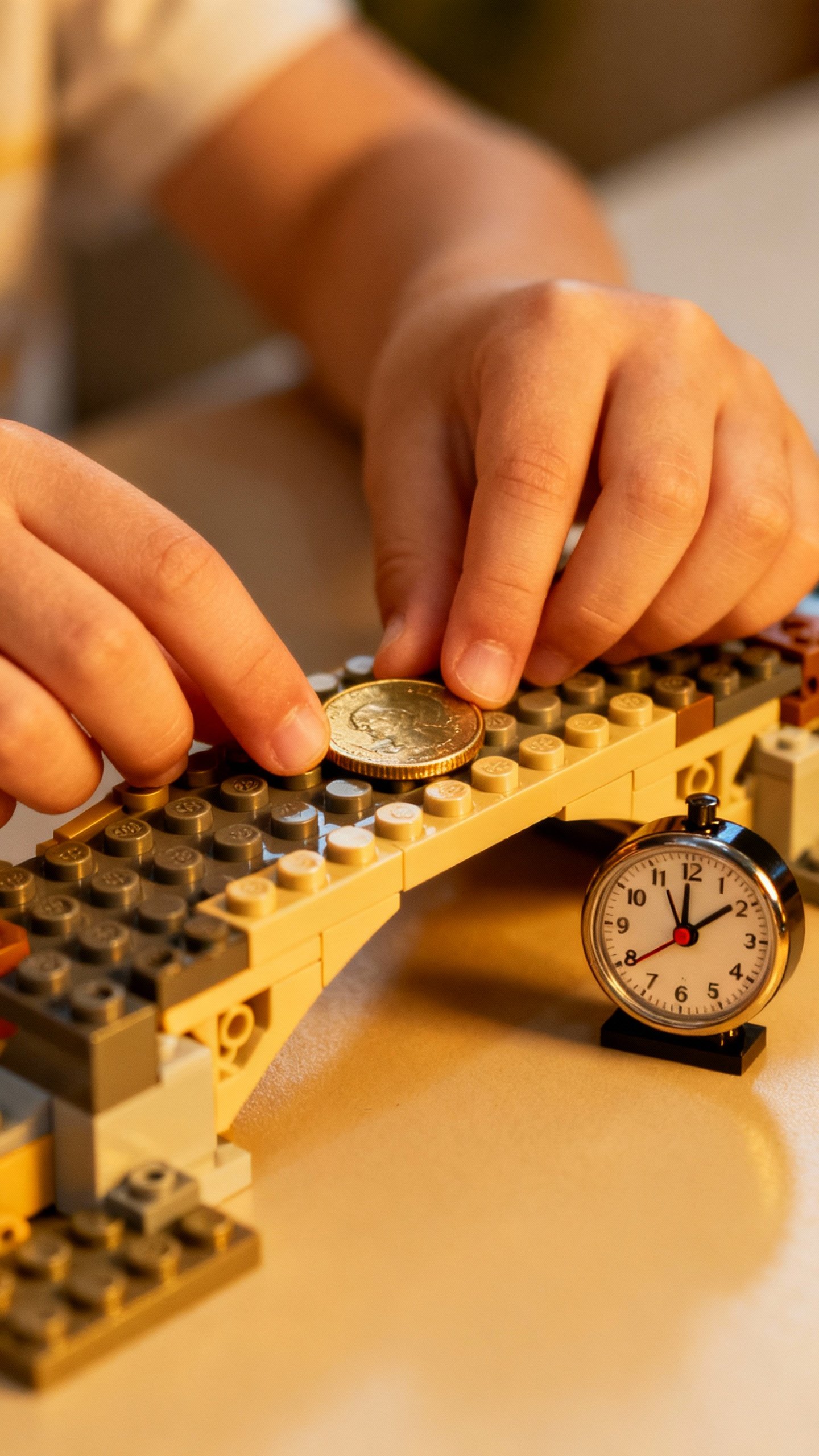
- Build a Lego bridge that holds coins
- Nature journal entry
- Story dice (draw 3 pictures, tell a story)
- Alphabet photo hunt (snap pics of letters in the wild)
Big Adventure Picks (Use Sparingly)
- Library visit + reading picnic
- Local splash pad or pool
- Farmers’ market “color hunt” (find 5 foods of different colors)
- Museum free day

Customize for Different Ages
One jar can work for toddlers, big kids, and tweens if you tweak the ideas. That’s the beauty of it.
Scale difficulty and independence level so everyone gets a win.
Toddlers (2–4)
- Sticker sorting by color
- Water painting on the sidewalk
- Pom-pom scoop-and-sort
- Bubble chase
Kids (5–8)
- Treasure map with “X marks the spot”
- Paper chain countdown to a trip
- DIY bird feeder (toilet paper roll + peanut butter + seed)
- Science: make a volcano
Tweens (9–12)
- Stop-motion movie on a phone or tablet
- Design a board game
- Cook lunch for the family (with supervision)
- Geocaching or neighborhood photo safari
Make It Work All Summer (Without Burnout)
Consistency beats perfection. Keep the jar visible, pull from it often, and rotate ideas weekly. IMO, the best hack is removing anything that turns into a fight.
Rotation and Refresh Ideas
- Sunday swap: take out finished or flopped activities, add five new ones.
- Weather watch: move water play to hot weeks; add puzzles for heat waves.
- Kid picks: let each child write two new activities every week.
Prep a Grab-and-Go Basket
- Crayons, markers, scissors, tape, glue sticks
- Stickers, paper, popsicle sticks, yarn
- Sidewalk chalk, bubbles, balloons
- Measuring cups, sponges, plastic bins for water play
Budget-Friendly Tips That Don’t Feel Stingy
- Use what you have. Recycle boxes, wrapping paper tubes, old buttons.
- Swap with friends. Craft supplies, puzzles, and outdoor games rotate beautifully.
- Hit the library. Books, kits, STEM take-home bags—so much free goodness.
- Free printables. Coloring pages, scavenger hunts, origami instructions.
Low-Cost “Upgrade” Ideas
- Buy a giant bottle of bubbles and refill smaller ones.
- Grab a roll of kraft paper for mega murals.
- Pick up a bulk pack of popsicle sticks and washi tape for endless crafts.
FAQs
Q: How many activities should I start with?
Aim for 30–40 to start.
That gives variety without overwhelm. Add 5–10 new ones every week to keep it fresh.
Q: What if my kid hates the activity they pull?
Allow one re-draw per day. After that, the jar’s law stands.
If the same activity keeps getting rejected, remove it—no need to force it.
Q: How do I handle siblings with different ages?
Color-code by age group or mark sticks with icons (toddler, kid, tween). Let them take turns drawing, or draw two and vote. Collaboration builds fewer tears, IMO.
Q: Can I use this on weekdays when I work from home?
Absolutely.
Build a “quiet block” category: reading fort, audiobooks, Lego challenges, drawing prompts, puzzle time. Set a timer and keep them near you with a tray of supplies.
Q: Do I need to plan supplies ahead of time?
Keep a small bin of basics and star the activities that need extras. Add those to your grocery list as you go.
You don’t need a craft store haul to get started.
Q: What if we’re traveling?
Make a mini jar in a zip bag. Include car bingo, I-spy lists, origami paper, stickers, and a few writing prompts. Hotel scavenger hunts are weirdly fun—yes, I said it.
Conclusion
The DIY Summer Activity Jar turns long, lazy days into bite-sized adventures.
It gives your kids agency, gives you a plan, and keeps boredom from staging a coup. Start simple, tweak as you go, and celebrate the tiny wins. And when you pull “dance party” three days in a row?
That’s fate telling you to join in—FYI, your moves are still great.
Explore More on FreeKidsHub
Jump into your favorite category for easy printables, fun activities, and family-friendly ideas — all in one place.
Tip: Add this block to the end of every post for stronger internal links ✨